

Key Takeaways
- Butterfly valves achieve reliable flow control through a small number of precisely engineered components that work together under pressure.
- The valve body determines pressure capability, installation method, and compliance with international standards.
- Disc design and material selection directly affect flow efficiency, throttling performance, and resistance to wear or cavitation.
- The stem and its sealing interface play a critical role in torque transmission, alignment, and preventing external leakage.
- Seat material and actuator selection must match operating conditions to ensure consistent shutoff, safe operation, and long service life.
Butterfly valves are widely used across various industrial operations due to their compact footprint, fast response, and cost efficiency. While they may appear mechanically simple, their performance depends heavily on the design and interaction of individual parts.
This article provides a detailed overview of key butterfly valve components, outlining how each element supports sealing integrity, torque transmission, and operational performance.
What Is a Butterfly Valve?
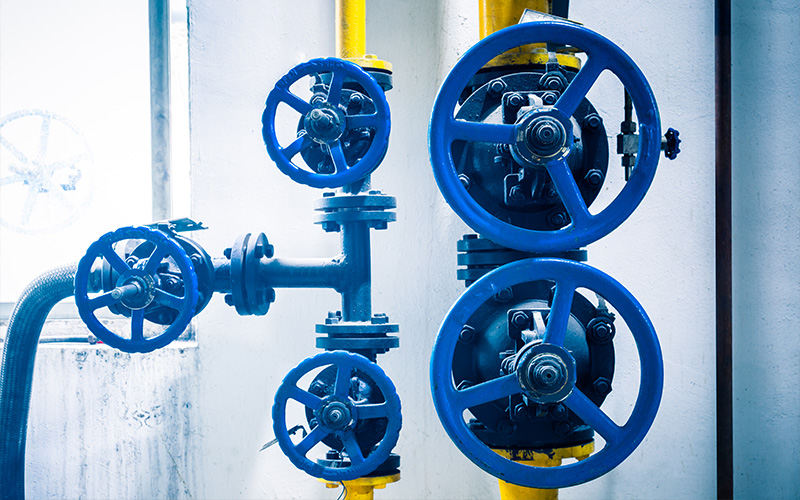
A butterfly valve is a type of quarter-turn valve used to regulate or isolate fluid flow within a pipeline. It operates by rotating a disc positioned in the centre of the flow path, allowing the valve to open, restrict, or fully shut off flow with a simple 90-degree turn.
Butterfly valves are commonly used in industrial, marine, and petrochemical systems due to their compact design, low weight, and fast response. Compared to other valve types, they require less installation space and are well-suited for large-diameter pipelines where efficient flow control and ease of operation are priorities.
Key Components of a Butterfly Valve
1. Valve Body: Pressure Containment and Mechanical Support
The valve body forms the structural backbone of the assembly. It houses all internal elements and provides the interface between the valve and the pipeline. In industrial environments, bodies are commonly manufactured from ductile iron, carbon steel, stainless steel, or high-alloy materials to resist corrosion, pressure fluctuations, and external mechanical stress.
Body design also determines how the valve integrates into the piping system, with common configurations including wafer-type, lug-type, and double-flanged valves. From a systems perspective, the body is one of the most critical industrial valve components, as it directly influences pressure rating, face-to-face dimensions, and compliance with international standards.
2. Disc: Flow Modulation and Isolation Component
The disc is the primary component that modulates flow in a butterfly valve. Mounted centrally within the body, it rotates typically through 90 degrees to regulate or isolate flow. The shape and thickness of the disc influence how smoothly fluid passes through the valve, affecting flow efficiency, turbulence, and the likelihood of cavitation. This is particularly crucial when the valve is used for throttling rather than full open or closed operation.
Material selection is equally important. Stainless steel, duplex alloys, or coated carbon steel discs are often chosen to handle abrasive or corrosive media. Within the valve itself, the disc must balance structural rigidity with hydrodynamic efficiency to ensure predictable control performance.
3. Stem (Shaft): Mechanical Link Between Actuator and Disc
The stem, also known as the shaft, transmits torque from the actuator or handle to the disc. It must be accurately manufactured to keep the disc properly aligned during operation and to reduce vibration or uneven stress on internal components.
In applications where the valve operates frequently or under demanding conditions, stems are often polished, heat-treated, or coated to improve durability and resistance to corrosion. The sealing area around the stem is also designed to prevent leakage to the outside of the valve, making it a crucial part of the valve sealing mechanism. If this seal is damaged or poorly maintained, it can lead to external leakage, accelerated corrosion, and increased maintenance risk, particularly in marine and offshore environments.
4. Seat: Critical Sealing Element
The seat creates a tight seal between the disc and the valve body when the valve is closed. Its role is to prevent fluid from passing through the valve and to maintain shutoff integrity over time.
Seat materials vary depending on operating conditions. Elastomer seats are commonly used for water and low-temperature services, while polytetrafluoroethylene (PTFE) or metal seats are selected for higher temperatures, aggressive chemicals, or applications requiring fire-safe performance. Seat quality directly affects leakage performance, operating torque, and service life.
5. Actuator or Handle: Valve Control Method
The actuator (or handle) controls how the valve opens and closes. Smaller valves often use manual levers or gear operators, while larger systems rely on pneumatic, electric, or hydraulic actuators for consistent and remote operation.
Actuator selection depends on valve size, required torque, operating frequency, and system automation needs. Proper integration ensures the valve functions reliably as part of larger flow control equipment systems.
The Importance of Component Knowledge
Butterfly valves may appear straightforward in design, but their performance depends on the careful interaction of each internal component. From the valve body and disc to the stem, seat, and actuator, every element plays a role in sealing integrity and long-term reliability.
For organisations seeking dependable valve solutions, working with an experienced supplier matters. OTOM Services Pte Ltd supports critical industrial operations with access to proven valve solutions from trusted brands, such as Cameron Demco’s range of butterfly valves. With our technical guidance, you will be better equipped to specify the right valve configurations and achieve reliable long-term performance.
Contact us today to learn more.
Related Articles
Common Symptoms of Check Valve Failure to Look Out For
Check valve failure can introduce risks that extend beyond the valve itself, affecting equipment integrity and system stability. This article outlines key symptoms that signal declining performance and explains their underlying causes. With a clearer understanding of how these issues develop, engineers and maintenance teams can intervene earlier to safeguard assets and maintain reliable system operation.
Exploring the Impact of Globe Valve Size on Flow Efficiency and Pressure Drop
Choosing the right globe valve size is critical to maintaining efficient flow and stable pressure. This article explains how flow regulation principles, pressure limits, and fluid properties influence sizing decisions, helping operators understand why correct selection improves control, protects equipment, and supports long term system reliability across industrial and marine applications. Read on to find out more.