

Key Takeaways
- A check valve is a self-acting component that is essential for backflow prevention and critical equipment protection.
- It plays a vital role in maintaining pressure stability and system reliability.
- Different designs suit different flow velocities, pressures, and installation constraints.
- Knowing what a check valve is and how to choose the right component supports long-term performance in demanding industrial environments.
- Reliable sourcing and technical guidance are essential for high-risk applications.

In complex piping networks, unidirectional flow is fundamental to system safety, efficiency, and asset protection. This is where check valves come in, operating as self-acting devices that protect pumps, compressors, and piping from backflow-related damage. They are essential for maintaining pressure stability and reliable operation across industrial and marine applications.
Below, we break down what a check valve is, how it works within industrial piping systems, and why it remains a critical component across facilities.
What Is a Check Valve? Basic Functions and Operating Principles
A check valve is designed to open when upstream pressure exceeds downstream pressure, allowing fluid to move forward. The pressure difference pushes the disc or plate away from its seat and creates a clear flow path. When the flow slows or reverses, the pressure differential across the valve diminishes or reverses. The closure element then returns to its seat, sealing the passage and preventing backflow.
This operation requires no external power or manual control. The valve responds automatically to changes in flow conditions, helping maintain pressure stability and preventing reverse flow that could damage equipment or compromise system performance. In high-risk industrial environments, this self-acting behaviour plays an important role in supporting overall system reliability and process safety.
The Different Types of Check Valves
Different applications demand different valve designs, especially when flow velocity, space constraints, and pressure ratings vary.
- Swing check valve: This design uses a hinged disc that swings open with forward flow and closes under reverse flow or gravity. They are commonly applied in low-velocity pipelines such as water distribution networks.
- Wafer check valve: Wafer-type check valves feature a compact design that is widely used where installation space is limited. These fit between flanges and reduce overall system weight, making them suitable for marine and offshore installations.
- Dual-plate check valve: Made of two spring-loaded plates that close rapidly when flow reverses. This design reduces pressure spikes and is well-suited for higher-pressure flow control systems and industrial environments.
- Non-slam check valve: For systems sensitive to pressure surges, a non-slam valve provides controlled, silent closure. Its spring-assisted mechanism minimises water hammer, protecting downstream equipment in vertical or high-speed flow installations.
The Importance of Material Selection in Check Valves
Material selection is a critical engineering decision, as it directly affects performance, durability, and safety under operating conditions. Key considerations typically include:
- Fluid compatibility: Materials must resist corrosion, erosion, or chemical attack from the conveyed media, especially in oil, gas, chemical, and seawater applications.
- Pressure rating: The material must maintain structural integrity under both normal operating pressure and transient pressure surges to avoid deformation or failure.
- Operating temperature: High or fluctuating temperatures can weaken certain materials or affect sealing performance, making temperature tolerance a key selection factor.
- Mechanical strength and fatigue resistance: Repeated opening and closing cycles place stress on internal components, requiring materials that can withstand long-term mechanical loading.
By aligning material selection with these factors, engineers can improve valve reliability, extend service life, and reduce maintenance risks. This, in turn, supports more predictable system performance and fewer unplanned shutdowns.
Industrial Applications and System Protection
Check valves are widely deployed across industrial sectors where controlling flow direction is essential to protecting equipment and maintaining stable operating conditions.
1. Water Distribution and Treatment Systems
Check valves prevent reverse flow that could introduce contamination into clean water supplies. They also protect pumps and downstream equipment from reverse pressure shock during sudden shutdowns or power loss.
2. Marine and Offshore Pipelines
In ballast, bilge, and cooling water systems, check valves help stabilise flow in installations exposed to vessel movement, vibration, and changing load conditions. This reduces the risk of backflow that could disrupt system balance or damage auxiliary equipment.
3. Oil and Gas Processing Facilities
Check valves act as a protective industrial valve by shielding compressors, pumps, and pipelines from reverse flow and pressure surges. This is especially important during start-up, shutdown, or emergency conditions, where sudden flow reversal can cause mechanical damage.
Conclusion: Why Proper Selection and Expertise Matter
Selecting the wrong valve type or material creates avoidable operational risk and long-term cost exposure. A clear understanding of what a check valve is empowers engineers and operators to specify solutions that protect critical equipment and stabilise system performance. Critically, this helps reduce the likelihood of failures, downtime, and corrective maintenance, leading to safer operations and mitigated lifecycle costs over the long term.
Partnering with an experienced supplier such as OTOM Services Pte Ltd enables project teams to move beyond generic specifications and select valves that truly match real-world operating demands. With deep technical expertise across oilfield, marine, and petrochemical sectors, our team is here to support accurate specification, risk-aware selection, and reliable sourcing of critical flow control components. Learn more about our technical support and valve sourcing capabilities today.
Related Articles
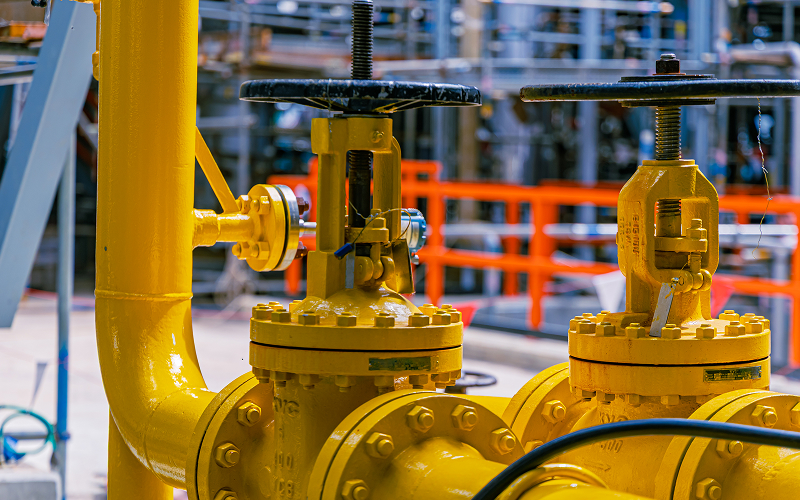
Common Symptoms of Check Valve Failure to Look Out For
Check valve failure can introduce risks that extend beyond the valve itself, affecting equipment integrity and system stability. This article outlines key symptoms that signal declining performance and explains their underlying causes. With a clearer understanding of how these issues develop, engineers and maintenance teams can intervene earlier to safeguard assets and maintain reliable system operation.
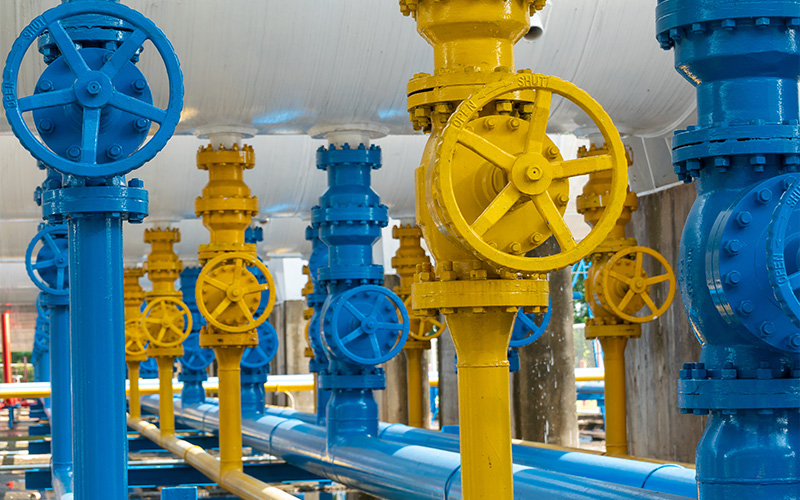
Exploring the Impact of Globe Valve Size on Flow Efficiency and Pressure Drop
Choosing the right globe valve size is critical to maintaining efficient flow and stable pressure. This article explains how flow regulation principles, pressure limits, and fluid properties influence sizing decisions, helping operators understand why correct selection improves control, protects equipment, and supports long term system reliability across industrial and marine applications. Read on to find out more.