

Key Takeaways
- Ball valves vs needle valves differ in terms of how they regulate flow, the level of control they provide, and the types of industrial systems they are designed to support.
- Ball valves are best suited for fast shutoff, isolation, and low-restriction flow in mainline and marine systems.
- Needle valves provide precise, incremental flow control and are preferred for metering, calibration, and high-pressure instrumentation.
- Pressure rating, control accuracy, operating frequency, and maintenance expectations should guide decisions.
- Matching valve design to system requirements improves reliability, reduces wear, and supports long-term operational performance.

Valves play a critical role in determining how fluids are isolated, regulated, and measured. Among the many types available, the distinctions between ball valves and needle valves are particularly important due to their fundamentally different approaches to industrial flow control. While both are widely used across oilfield, marine, and petrochemical environments, their internal design, operating characteristics, and performance limits make them suitable for very different applications.
Ball Valves vs Needle Valves: Key Differences
1. Operational Design and Functionality
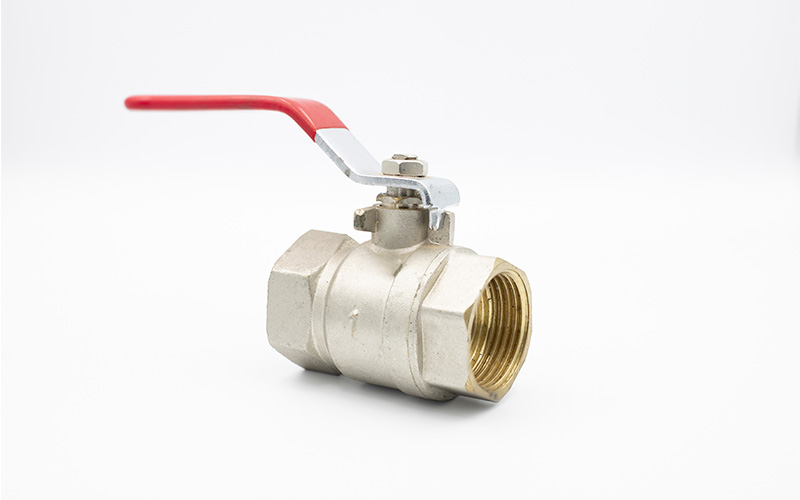
The core difference between ball and needle valves lies in their internal design. Ball valves employ a drilled spherical ball that rotates 90 degrees to align or block the flow path. This quarter-turn mechanism enables rapid, full-bore opening or closure, making ball valves ideal for isolation duties where swift response is required.
In variants such as a 3-way ball valve, the same design principle is extended to allow flow diversion or mixing between multiple ports. This provides operational flexibility while maintaining fast actuation and reliable sealing.
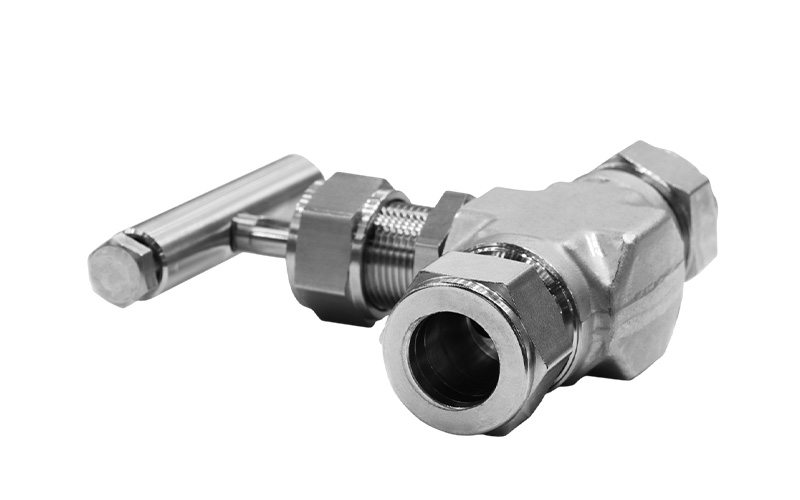
Needle valves, by contrast, use a finely threaded stem and a tapered needle that seats into a narrow orifice. Flow is adjusted through multiple turns of the stem, allowing incremental changes. This design prioritises control resolution over speed and is fundamental in applications like pressure sensing, flow measurement, and analytical sampling, where even small flow variations matter.
2. Flow Control and Accuracy
When comparing ball valves vs needle valves, flow control accuracy is a decisive factor. Needle valves offer superior modulation, enabling operators to fine-tune flow rates with high repeatability. This makes them particularly effective in metering lines, sampling systems, and calibration circuits.
On the other hand, ball valves are not designed for throttling. While they provide unrestricted flow when fully open, partial opening can lead to turbulence, seat wear, and inconsistent control. Their strength lies in on-off service rather than precise regulation, which is why they are commonly used in systems prioritising throughput over adjustability.
3. Pressure and Temperature Capability
Needle valves are typically engineered to handle higher pressures and, in many cases, elevated temperatures. Their robust stem design and tight seating geometry allow reliable performance in hydraulic systems, high-pressure instrumentation lines, and testing rigs.
Ball valves perform best under moderate pressure and temperature ranges where tight shutoff and minimal pressure drop are required. Variants such as the flanged ball valve are widely used in industrial piping systems, featuring bolted flange connections that provide a secure, leak-resistant joint and improved structural stability.
4. Maintenance and Service Life
Ball and needle valves also differ in their maintenance considerations and service life. Ball valves are generally low-maintenance components with fewer moving parts exposed to wear. Their simple design supports long service life in general industrial environments, provided they are operated within specification.
Needle valves require more careful handling. The precision-machined needle and seat are susceptible to damage from particulate contamination or improper operation. Regular inspection and controlled actuation are necessary to maintain performance, especially in high-pressure or critical measurement systems.
Differences in Industrial Applications and Use Cases
Given their operational, control, and performance differences, ball valves and needle valves are suited to different applications within industrial systems.
Ball valves are typically used where:
- Rapid shutoff or isolation is required, particularly in mainline and emergency isolation points
- Full-bore flow with minimal pressure drop is critical to system efficiency
- Durability and low maintenance are needed in continuous industrial service
Common use cases include pipeline isolation, chemical processing systems, and marine valve installations
Needle valves are typically used where:
- Precise, incremental flow control is required rather than on-off operation
- Small flow volumes must be regulated accurately over a wide pressure range
- Controlled pressurisation is necessary to protect downstream components
Common use cases include laboratory and analytical setups, instrumentation and sampling lines, and hydraulic and pneumatic control systems.
Conclusion: Aligning Valve Selection with Operational Demands
Selecting the right valve is a strategic engineering decision that impacts system performance over time. Comparing the characteristics and functions of ball valves vs needle valves allows engineers and procurement teams to effectively balance control accuracy, durability, and operating conditions.
For operators in Singapore’s oilfield, marine, and petrochemical sectors, partner with an experienced supplier like OTOM Services Pte Ltd to strengthen both specification accuracy and supply reliability. With our technical expertise, application-specific guidance, and industry-proven valve solutions, we help businesses reduce mis-specification risks, shorten procurement cycles, and support consistent system performance.
For more information about what we do, contact us today.
Related Articles
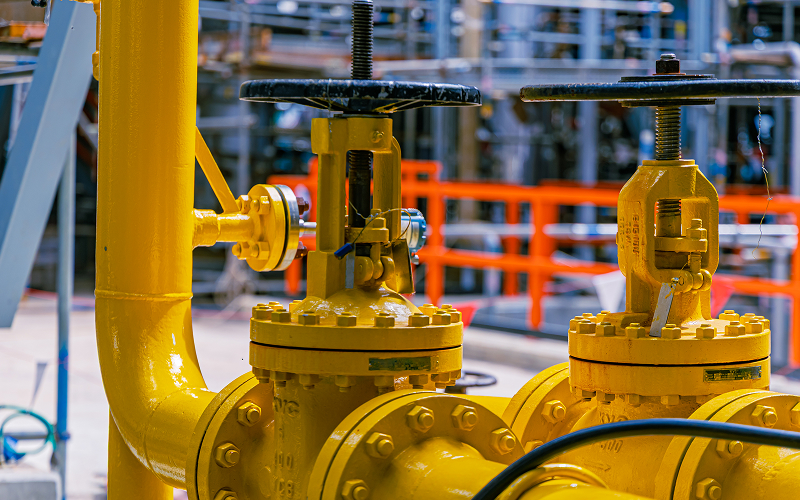
Common Symptoms of Check Valve Failure to Look Out For
Check valve failure can introduce risks that extend beyond the valve itself, affecting equipment integrity and system stability. This article outlines key symptoms that signal declining performance and explains their underlying causes. With a clearer understanding of how these issues develop, engineers and maintenance teams can intervene earlier to safeguard assets and maintain reliable system operation.
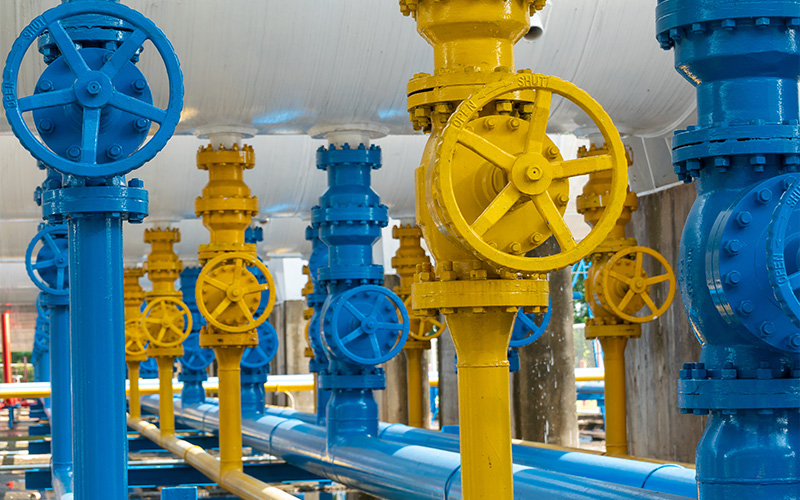
Exploring the Impact of Globe Valve Size on Flow Efficiency and Pressure Drop
Choosing the right globe valve size is critical to maintaining efficient flow and stable pressure. This article explains how flow regulation principles, pressure limits, and fluid properties influence sizing decisions, helping operators understand why correct selection improves control, protects equipment, and supports long term system reliability across industrial and marine applications. Read on to find out more.