

Key Takeaways
- Effective systems rely on fluid management to keep flow, pressure, and direction stable across complex operations.
- Proper design reduces energy use, limits safety risks, and supports consistent output quality.
- Valves play a central role by regulating flow, preventing backflow, and allowing safe maintenance.
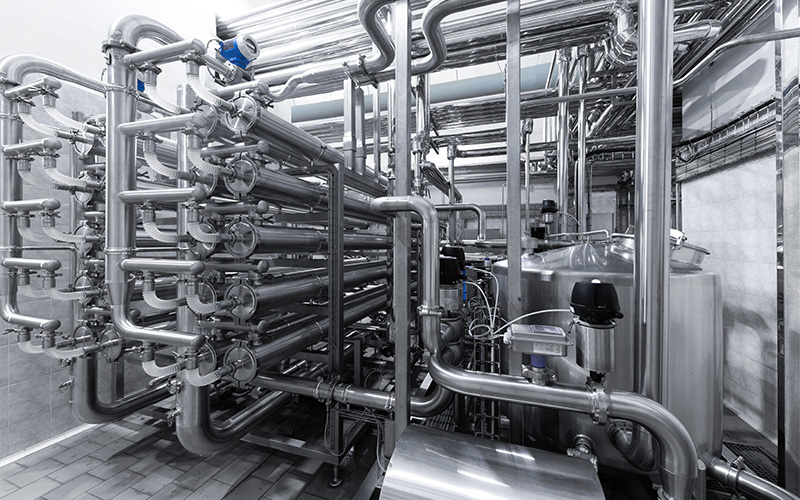
Fluid control sits quietly behind the scenes of many industrial operations, yet its impact is felt every day. From moving water through treatment plants to regulating gases in manufacturing lines, it ensures that systems run smoothly, safely, and with intent. When done well, it protects equipment, reduces interruptions, and keeps processes predictable even under demanding conditions.
What Is Fluid Control?
At its core, fluid control refers to how liquids and gases are guided through pipes, vessels, and machinery. This includes controlling flow rate, pressure levels, direction of movement, and how fluids are distributed across different parts of a system.
In practical terms, it is about making sure the right amount of fluid reaches the right place at the right time. This discipline supports safe and consistent operation across sectors such as energy, water, marine, and industrial manufacturing.
A reliable setup depends on more than a single component. Valves, actuators, sensors, and thoughtful system design work together to maintain balance. When these elements are correctly specified and aligned, flow becomes a stabilising force rather than a source of risk.
Why It Matters
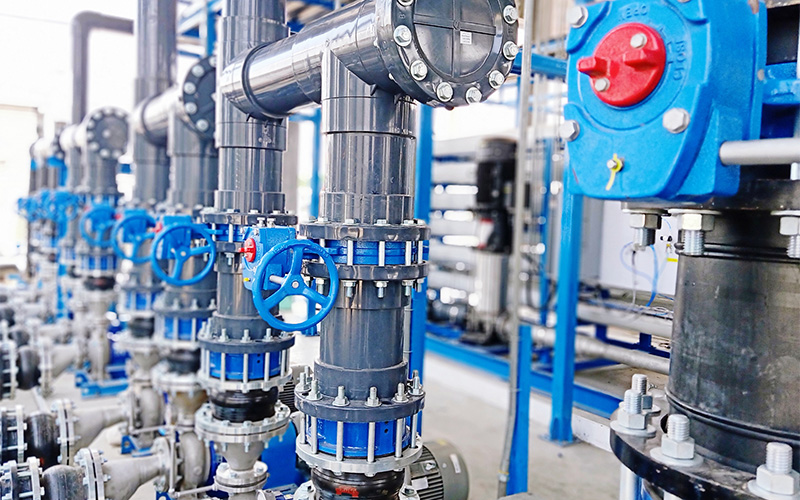
Ensures System Efficiency and Energy Savings
Well-designed fluid control reduces unnecessary resistance within a system. Pumps and compressors work more efficiently when flow paths are smooth and pressures are properly managed. Over time, this lowers energy consumption and helps equipment operate closer to its intended performance range. In larger facilities, even small efficiency gains can translate into meaningful cost savings.
Prevents Operational Failures and Safety Risks
Industrial environments often involve high pressures, elevated temperatures, or hazardous media. Sudden pressure changes or uncontrolled flow can damage equipment or create unsafe conditions. Stable pressure control mechanisms help prevent leaks, mechanical stress, and unexpected shutdowns, protecting both assets and personnel.
Supports Process Accuracy and Product Quality
Many industries depend on precision. Chemical dosing, cooling cycles, and filtration processes all require steady, repeatable flow. Consistent flow management supports accuracy, helping processes remain within tolerance and reducing variability that could affect product quality. This is especially important in operations where compliance and consistency are non-negotiable.
How Valves Are Used in Fluid Control
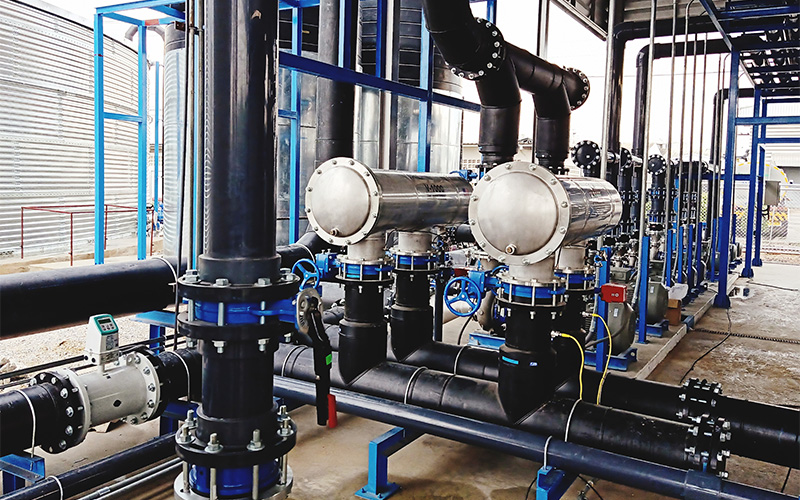
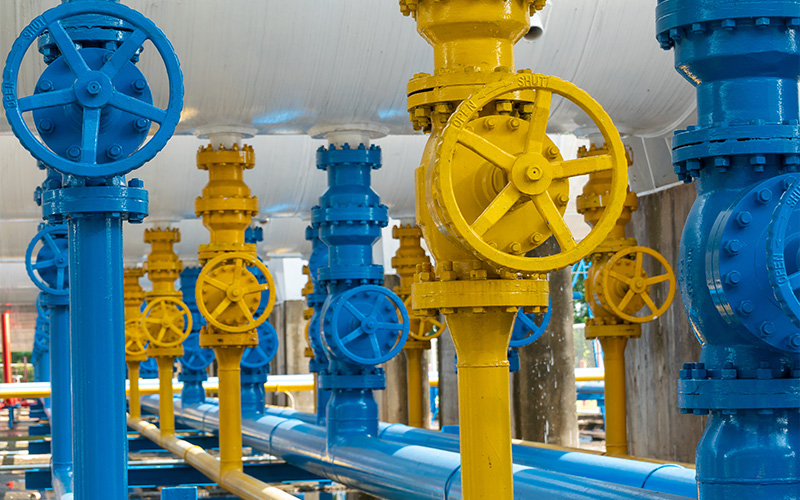
Valves act as the decision points within a system, determining how fluids move and when they stop.
Regulating Flow and Pressure
Control valves adjust how much fluid passes through a line, helping operators maintain stable conditions. For example, a gate valve is often used where full, unobstructed flow is required, while butterfly valves offer compact, efficient regulation in larger diameter pipelines. Each type is selected based on application needs, space constraints, and operating conditions.
Preventing Backflow and Protecting Equipment
Check valves and similar devices prevent reverse flow that could damage pumps or contaminate lines. By stopping fluids from moving in the wrong direction, these components preserve system balance and reduce wear on critical equipment.
Isolating and Directing Fluid Paths
Maintenance and system changes are unavoidable. Valve isolation systems allow specific sections to be shut off without halting the entire operation. Multi-port designs also make it possible to redirect flow as processes change, supporting flexible and resilient industrial flow management.
Fluid systems rarely attract attention when they are working properly, yet their reliability depends heavily on thoughtful design and component selection. By regulating flow, maintaining pressure stability, and enabling safe maintenance, fluid control is vital in ensuring efficiency, safety, and process consistency across industrial applications.
As a specialised valve company in Singapore, OTOM Services supports industries with a focused range of valves and flow solutions tailored to demanding operating environments. Our experience spans multiple sectors, helping clients select components that align with real-world conditions.
If you are reviewing your system design or planning an upgrade, now is a good time to take a closer look at how your flow systems are performing. Contact us to explore solutions built for long-term reliability.
Related Articles
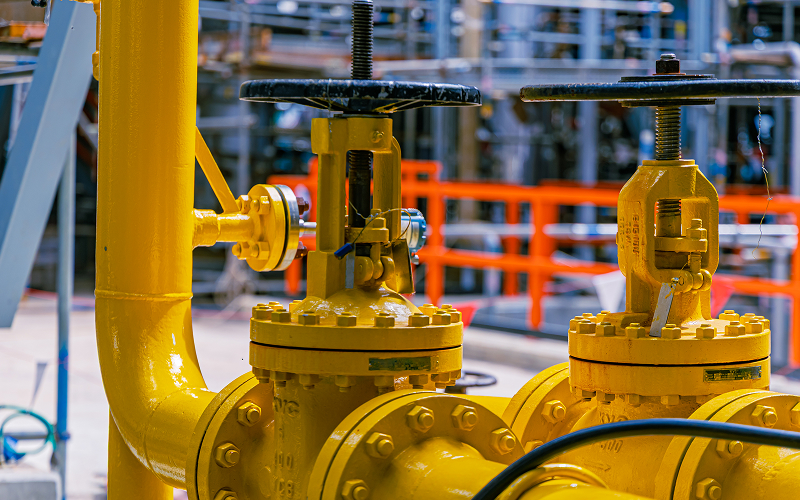
Common Symptoms of Check Valve Failure to Look Out For
Check valve failure can introduce risks that extend beyond the valve itself, affecting equipment integrity and system stability. This article outlines key symptoms that signal declining performance and explains their underlying causes. With a clearer understanding of how these issues develop, engineers and maintenance teams can intervene earlier to safeguard assets and maintain reliable system operation.
Exploring the Impact of Globe Valve Size on Flow Efficiency and Pressure Drop
Choosing the right globe valve size is critical to maintaining efficient flow and stable pressure. This article explains how flow regulation principles, pressure limits, and fluid properties influence sizing decisions, helping operators understand why correct selection improves control, protects equipment, and supports long term system reliability across industrial and marine applications. Read on to find out more.