

Key Takeaways
- Globe valves are designed to manage flow and pressure with precision across a wide range of systems.
- Each type of globe valve serves distinct industrial applications, depending on efficiency, layout, and operating demands.
- Selecting the right globe valve depends on understanding flow direction, pressure demands, and overall system needs.
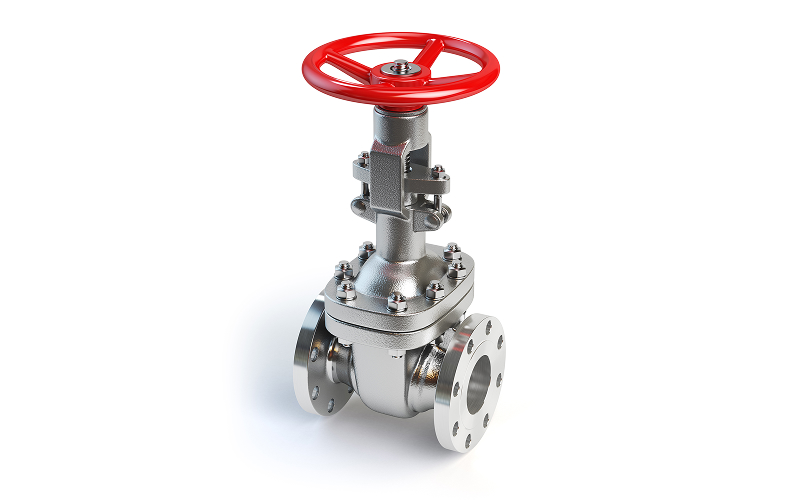
Globe valves play a central role in many engineered systems, particularly where accurate flow control and reliable shutoff are required. Their internal design allows operators to fine-tune how fluids move through a pipeline, making them a trusted choice across sectors that depend on consistency and safety. This guide explores the main types of globe valves available today and explains how each design supports different operating requirements.
T-Pattern (Z-Type) Globe Valve
The T-pattern globe valve, often called the Z-type, is the most widely used design. Its internal structure forces the fluid to change direction twice as it passes through the valve, creating a pressure drop that supports precise throttling. This makes it especially useful in systems that experience high-pressure drops or require frequent adjustment.
Engineers often choose this design for applications where tight shutoff is essential. Although the flow path is not the most efficient, the control it offers makes it a dependable option for regulating flow in demanding environments. Amongst common types of globe valves, this design is often the starting point for general-purpose use.
Y-Pattern Globe Valve
The Y-pattern globe valve is designed to reduce resistance within the system. By angling the stem and seat at roughly 45 degrees, the valve allows fluid to pass through with fewer directional changes. This results in lower pressure loss compared to the T-pattern design.
This valve is well suited to high-temperature or high-pressure lines where efficiency matters. It balances control with improved flow performance, making it a practical solution when system energy loss must be kept in check.
Angle Globe Valve
Angle globe valves change the direction of flow by 90 degrees within the valve body. This design removes the need for an external elbow in the piping layout, which can simplify installation and reduce potential leak points.
These valves are commonly found in marine systems and wastewater treatment facilities, where space constraints and layout simplicity are important. As part of modern valves for flow control, angle globe valves help streamline piping without compromising regulation accuracy.
Straight Flow Globe Valve
Straight flow globe valves are designed to offer a more direct passage for fluid. Their internal layout minimises turbulence, making them suitable for clean fluids that require steady movement with moderate throttling.
This design supports fluid regulation systems where maintaining flow quality is as important as control. Amongst the various types of globe valves, straight flow designs are often selected for systems that prioritise reduced obstruction while still allowing measured adjustment.
Pressure-Sealed Globe Valve
Pressure-sealed globe valves are built for extreme environments. Instead of relying on traditional bolted bonnets, they use internal pressure to enhance sealing as operating pressure increases. This makes them highly reliable in power generation and refining contexts.
These valves are selected based on strict process conditions, where safety and durability are non-negotiable. Proper valve configuration in such systems ensures long-term performance under intense thermal and mechanical stress.
Understanding the differences between globe valve types helps engineers and operators make informed decisions that support efficiency, safety, and system longevity. Each design serves a distinct purpose, from handling pressure variations to simplifying piping layouts. Selecting the right valve requires a clear understanding of system demands, operating environments, and performance expectations.
Here at OTOM Services, we support clients with sourcing, specification, and technical guidance for industrial valve solutions across diverse sectors. As a trusted valve company in Singapore with extensive experience in matching valve designs to real-world operating needs, we help ensure reliability at every stage of system operation.
Contact us today to discuss your requirements and explore solutions tailored to your application.
Related Articles
Common Symptoms of Check Valve Failure to Look Out For
Check valve failure can introduce risks that extend beyond the valve itself, affecting equipment integrity and system stability. This article outlines key symptoms that signal declining performance and explains their underlying causes. With a clearer understanding of how these issues develop, engineers and maintenance teams can intervene earlier to safeguard assets and maintain reliable system operation.

Exploring the Impact of Globe Valve Size on Flow Efficiency and Pressure Drop
Choosing the right globe valve size is critical to maintaining efficient flow and stable pressure. This article explains how flow regulation principles, pressure limits, and fluid properties influence sizing decisions, helping operators understand why correct selection improves control, protects equipment, and supports long term system reliability across industrial and marine applications. Read on to find out more.