

Key Takeaways
- Choosing the right connector supports safety, durability, and stable system performance.
- Different connector types suit different pressure levels, environments, and maintenance needs.
- Understanding connector functions helps improve long-term system reliability and planning.
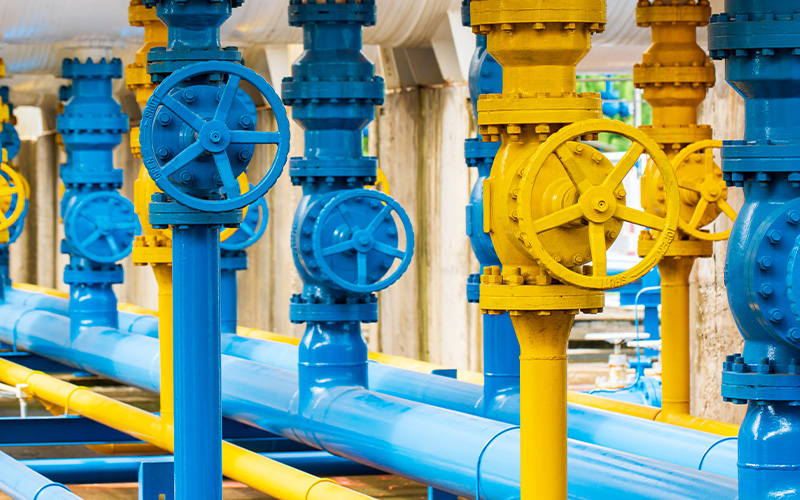
Every piping system depends on connectors to secure valves and keep fluid moving in a controlled, predictable way. Good valve connection does more than hold components together; it also influences how easily a system can be installed, inspected, maintained, and adapted over time. For anyone working with industrial, commercial, or utility piping, understanding common connector types makes decision-making far clearer and far less risky.
Flanged Connectors
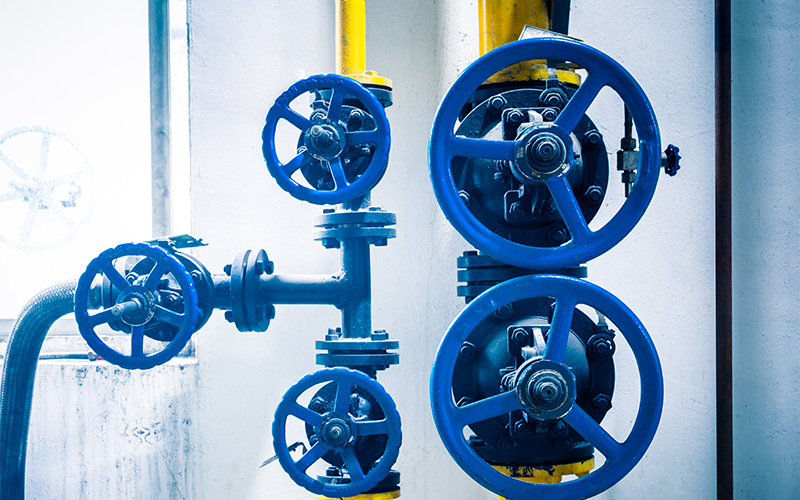
Flanged connectors use flat rims that are bolted together with a gasket placed between them. This creates a strong, pressure-resistant seal that can also be dismantled when needed. A valve connection using flanges is often selected for systems that operate under high pressure or where regular inspection and maintenance are expected.
One advantage of flanged connectors is their reliability in larger pipe sizes. They also allow precise alignment, which supports overall mechanical joint performance. In practice, flanged connectors are commonly paired with components such as a flanged ball valve, especially in oil, gas, and industrial water systems where both strength and serviceability matter.
Threaded Connectors

Threaded connectors rely on matching male and female threads to join a valve to a pipe. They are straightforward to install and do not require specialised equipment, which makes them popular in low- to medium-pressure applications.
Threaded connectors are often used in smaller-diameter piping where space is limited and frequent disassembly is not expected. While threaded joints are convenient, they rely heavily on correct installation and sealing compounds to prevent leaks. For many basic systems, they remain one of the most practical pipeline connection methods available.
Welded Connectors (Butt-Weld / Socket-Weld)
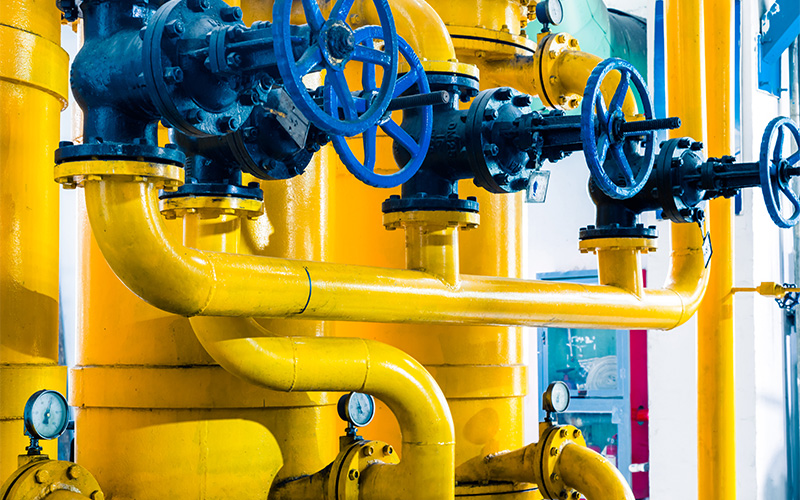
Welded connectors form a permanent bond between the valve and the pipeline. Butt-weld connections join components end to end, while socket-weld connections insert the pipe into a recessed area before welding. Both methods create a continuous metal structure with excellent strength and leak resistance.
A welded valve connection is typically chosen for high-pressure or high-temperature environments where failure is not an option. Because welded joints cannot be easily dismantled, they are most suitable for systems with stable layouts and long operational lifespans. These connectors play a key role in secure valve integration within critical process lines.
Compression Connectors
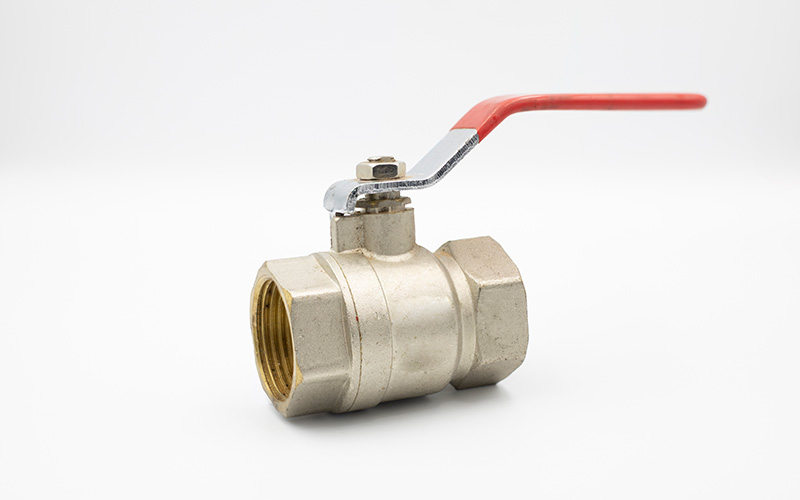
Compression connectors use a nut and ferrule system that tightens around the pipe to form a seal. No welding or threading is required, which reduces installation complexity and heat exposure. This makes them especially useful in instrumentation and control lines where cleanliness and precision are essential.
In these applications, the valve connection must support accurate flow regulation without introducing contamination or stress to the tubing. Compression connectors allow fine adjustments and quick replacement, making them a preferred choice for analytical equipment and small-bore systems. They also work well with directional components such as 3-way ball valves, where precise control is required.
Grooved Connectors
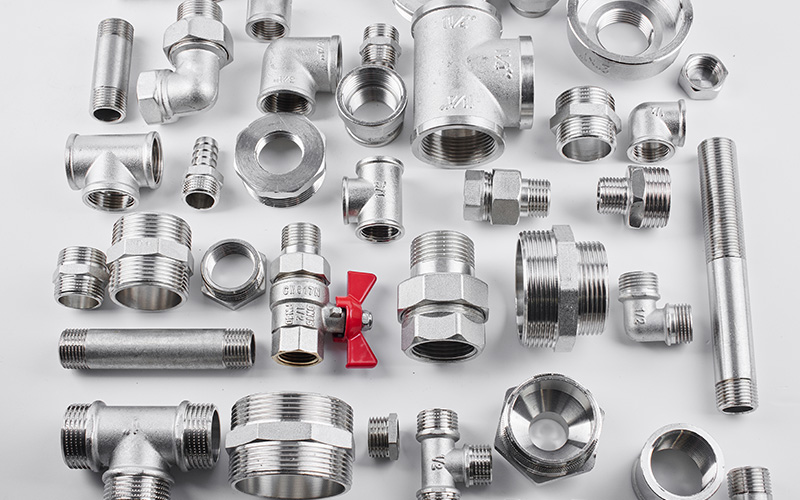
Grooved connectors use a grooved pipe end, a gasket, and a coupling to form a secure yet flexible joint. This design allows for slight movement, which helps absorb vibration and accommodate thermal expansion.
A valve connection using grooved fittings is commonly found in HVAC systems, fire protection networks, and large-diameter pipelines. Installation is relatively fast, and maintenance is simplified because components can be separated without cutting or welding. Grooved connectors are often paired with equipment like butterfly valves, where space efficiency and ease of operation are important.
Selecting the right connector is a practical decision that affects safety, performance, and long-term maintenance. From flanged and threaded joints to welded, compression, and grooved options, each connector type serves a clear purpose within modern piping systems. Understanding how connectors support durability and system stability helps operators make informed choices and avoid costly issues later on.
Here at OTOM Services, we supply industrial valves and related components designed for demanding applications across marine, oil and gas, and industrial sectors. Our team focuses on reliable sourcing, technical understanding, and practical support to help clients achieve dependable system performance.
For guidance on selecting suitable valves and connectors for your application, please contact us today.
Related Articles
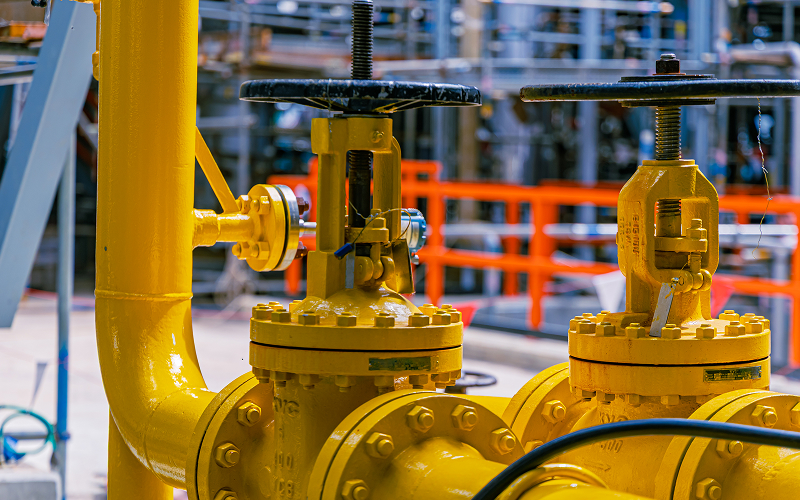
Common Symptoms of Check Valve Failure to Look Out For
Check valve failure can introduce risks that extend beyond the valve itself, affecting equipment integrity and system stability. This article outlines key symptoms that signal declining performance and explains their underlying causes. With a clearer understanding of how these issues develop, engineers and maintenance teams can intervene earlier to safeguard assets and maintain reliable system operation.
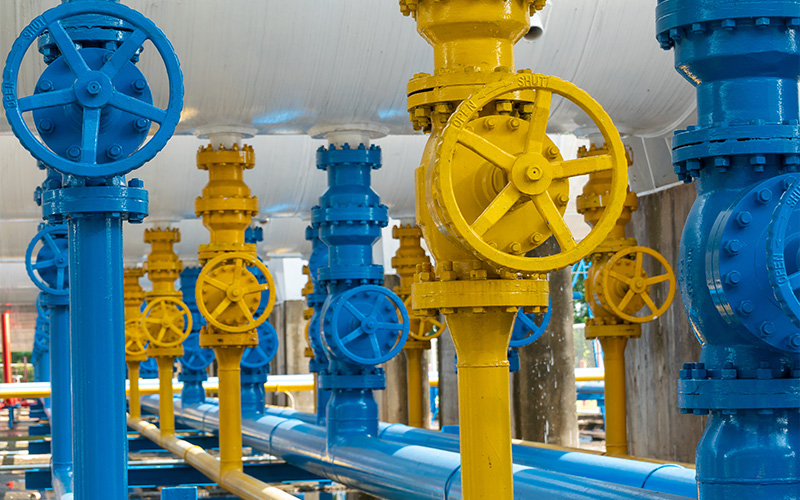
Exploring the Impact of Globe Valve Size on Flow Efficiency and Pressure Drop
Choosing the right globe valve size is critical to maintaining efficient flow and stable pressure. This article explains how flow regulation principles, pressure limits, and fluid properties influence sizing decisions, helping operators understand why correct selection improves control, protects equipment, and supports long term system reliability across industrial and marine applications. Read on to find out more.