

Key Takeaways
- Gaskets can work together with butterfly valves depending on valve design, flange condition, and operating demands.
- Many modern butterfly valves seal effectively without additional components, provided installation is done correctly.
- Knowing when to add or avoid a gasket protects sealing performance, safety, and long-term operating costs.
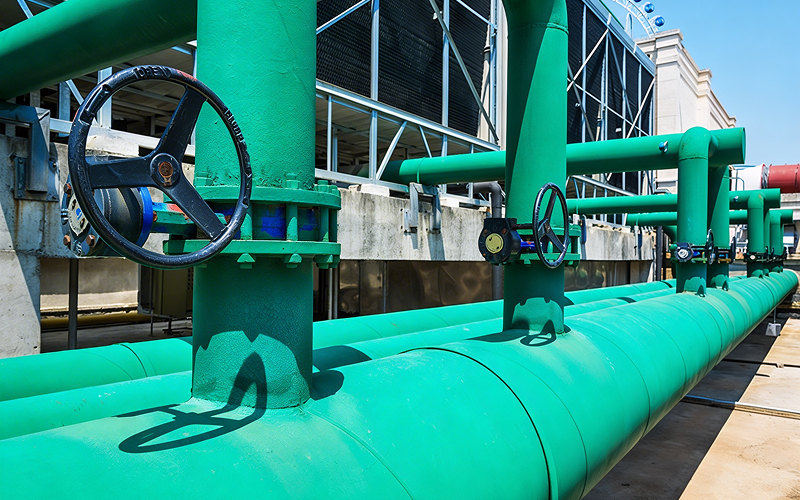
Butterfly valves are designed to provide efficient flow control across a wide range of systems, from water treatment to marine and industrial applications. Yet one question often crops up during specifications and installations: are gaskets and butterfly valves always meant to be used together? The answer depends on how the valve achieves its seal, the condition of the pipeline, and the operating environment. Understanding these factors helps engineers and project teams avoid leaks, unnecessary damages, and wasted expenses.
Understanding How Butterfly Valves Seal
In most butterfly valves, the valve seat acts as the primary sealing element. Typically made from rubber, elastomer, or PTFE, the seat forms a tight seal when the disc closes against it. This sealing action prevents leakage between the valve body and the pipeline, even under normal operating pressure.
Many modern valves rely on an elastomer seat design where the seat slightly protrudes beyond the valve body. This extension allows the seat to compress directly against the flange faces, performing the same role a traditional gasket would. In these cases, gaskets and butterfly valves do not need to be paired, as the built-in seat already provides an effective seal.
This integrated approach reduces material costs and speeds up assembly. However, sealing performance still depends on proper alignment, correct bolt torque, and clean, undamaged flange faces. Poor installation practices can compromise even the best-designed valve.
When Gaskets Are Required
There are situations where adding a gasket becomes necessary to maintain sealing reliability. Flange type is a key consideration. When butterfly valves are installed between raised-face or flat-face flanges, the valve seat may not always achieve uniform contact across the flange surface. In such cases, engineers may introduce gaskets as part of broader valve flange sealing solutions to ensure even compression.
High-pressure or high-temperature systems also present challenges. Steam lines, chemical processing plants, and offshore installations experience thermal expansion, vibration, and fluctuating loads. These conditions can create micro-gaps that lead to leaks. Using gaskets and butterfly valves together adds an extra sealing layer that helps absorb movement and compensate for minor surface imperfections.
Ageing infrastructure is another factor. Corroded or uneven flanges are common in older systems. Rather than resurfacing or replacing flanges, a gasket can restore sealing capability and extend service life, especially during complex industrial pipeline installations where downtime must be minimised.
When Gaskets Are Not Needed
In many standard installations, gaskets are unnecessary and can even be harmful. Wafer and lug-type butterfly valves often feature an integrated liner that seals directly against the flange faces. Adding a gasket in these cases may lead to over-compression.
Over-compression can damage the valve liner, restrict disc movement, or cause premature wear. This is one reason manufacturers often caution against combining gaskets and butterfly valves unless explicitly required. Following manufacturer guidance is essential, particularly for specialised equipment such as Demco valves, which are engineered with specific seat and flange interface tolerances in mind.
Engineers working with marine valves should be especially careful, as space constraints and exposure to vibration make correct compression critical. In these environments, unnecessary gaskets can create more problems than they solve.
The question of whether gaskets and butterfly valves should be used together has no universal answer. In many modern designs, the valve seat itself provides reliable sealing without additional components. In more demanding or imperfect conditions, a gasket may be the practical choice to maintain system integrity. Understanding valve design, flange condition, and operating demands allows engineers to make informed decisions that balance performance, safety, and cost.
OTOM Services supports engineers and project teams with practical guidance and a broad range of valves and sealing components for industrial and marine applications, including solutions such as RTJ gaskets for high-pressure environments.
If you are evaluating sealing requirements or specifying components for your next project, please contact us to discuss the right approach for your system.
Related Articles
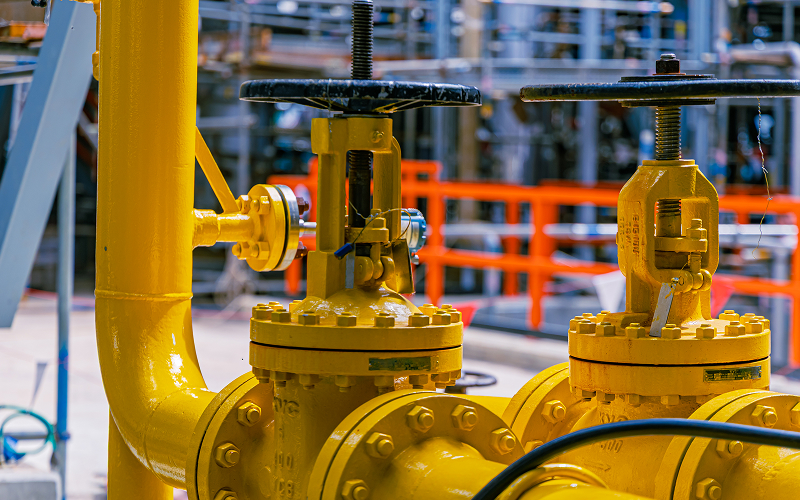
Common Symptoms of Check Valve Failure to Look Out For
Check valve failure can introduce risks that extend beyond the valve itself, affecting equipment integrity and system stability. This article outlines key symptoms that signal declining performance and explains their underlying causes. With a clearer understanding of how these issues develop, engineers and maintenance teams can intervene earlier to safeguard assets and maintain reliable system operation.
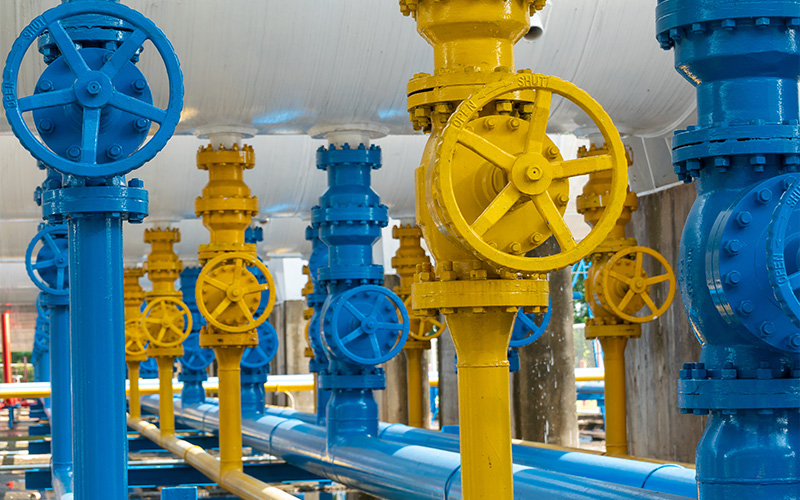
Exploring the Impact of Globe Valve Size on Flow Efficiency and Pressure Drop
Choosing the right globe valve size is critical to maintaining efficient flow and stable pressure. This article explains how flow regulation principles, pressure limits, and fluid properties influence sizing decisions, helping operators understand why correct selection improves control, protects equipment, and supports long term system reliability across industrial and marine applications. Read on to find out more.