

Key Takeaways
- Issues with check valves often develop gradually, with early signs that may be easily overlooked during routine operations.
- Reverse flow, vibration, abnormal noise, pressure irregularities, and external leakage are common indicators of check valve failure.
- Identifying the root causes early supports more effective diagnostics and reduces the risk of secondary equipment damage.
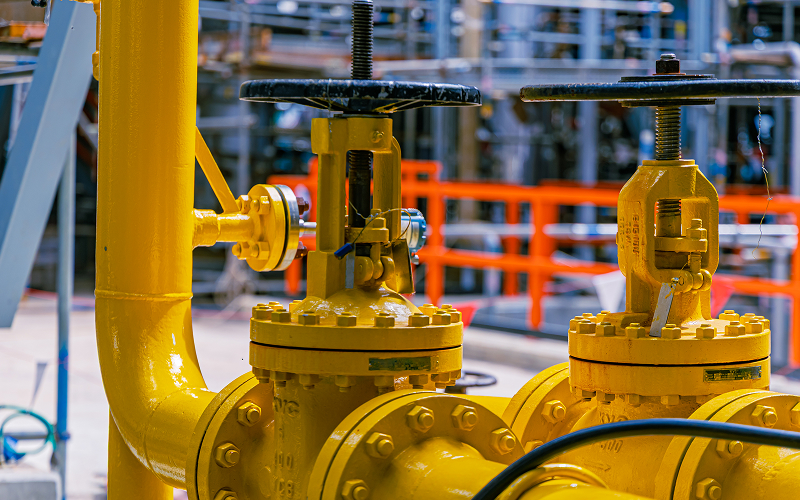
In systems handling pressurised liquids, gases, or multiphase flow, check valves are essential for maintaining directional control and safeguarding critical equipment. When performance begins to degrade, the consequences may not be immediately visible. To maintain pressure stability and avoid unplanned shutdowns, identifying the early signs of check valve failure is critical.
What Are Check Valves?
A check valve is a self-actuating device designed to allow fluid to move in one direction while automatically preventing reverse flow. Unlike isolation or control valves, it operates without external actuation, relying instead on system pressure, flow velocity, or internal spring mechanisms to open and close.
Common configurations include swing, lift, spring-assisted, and dual-plate designs, each selected based on flow characteristics, pressure conditions, and installation constraints. When functioning correctly, a check valve provides passive protection for connected equipment by maintaining flow direction and stabilising pressure behaviour within the system.
Common Signs of Performance Issues in Check Valves
1. Reverse Flow or Backflow
One of the most direct indicators of check valve failure is unintended reverse flow within the system. This condition can expose pumps, compressors, and instrumentation to mechanical stress or contamination.
Possible cause:
The valve disc, plate, or seat may be worn, fouled by debris, or unable to close fully. Erosion, corrosion, or deformation can prevent proper sealing.
What to do:
Conduct internal inspections during planned shutdowns. Maintenance teams should also remove accumulated debris, assess sealing surfaces, and replace components that no longer meet tolerance requirements. Applying structured reverse flow diagnostics can help determine whether the issue originates from valve wear, incorrect orientation, or upstream process instability.
2. Excessive Vibration or Chattering
Persistent vibration or rapid opening and closing of the check valve is another early sign of failure, particularly in high-velocity or variable-flow systems.
Possible cause:
Incorrect cracking pressure or unstable flow conditions can cause the valve to oscillate. This behaviour accelerates internal wear and may lead to fatigue damage in connected piping.
What to do:
Verify operating pressure ranges against valve specifications. Review cracking pressure requirements and installation orientation. In systems with fluctuating flow, non-slam check valves or spring-loaded check valves can help reduce slam and disc oscillation, subject to correct sizing and operating conditions. These designs use controlled closure mechanisms to limit impact forces, improving stability and reducing mechanical wear over time.
3. Unusual Noise During Operation
Abnormal sounds such as banging, clicking, or rattling during flow changes often indicate internal movement that should not be occurring under normal conditions.
Possible cause:
Loose internal components, weakened springs, or misalignment within the valve body can generate noise as parts move unpredictably.
What to do:
Isolate and depressurise the relevant section in line with site procedures, then remove the valve for inspection. Tighten, realign, or replace internal assemblies as required. Addressing unusual noise at an early stage helps prevent escalation into broader performance issues that may compromise overall system reliability.
4. Pressure Drops or Irregular Flow Rates
Unexpected pressure loss or inconsistent flow behaviour may point to partial obstruction inside the valve.
Possible cause:
A damaged or partially stuck disc can restrict forward flow. Scaling, sediment, or foreign material may also impede movement.
What to do:
Clean internal passages and remove deposits to eliminate restrictions that can impede forward flow. Ensure all moving components operate freely so the valve can fully open under normal operating conditions. For higher-capacity lines, a dual-plate check valve may be suitable due to its compact design and fast, balanced closure response. Final selection should consider line size, flow characteristics, and allowable pressure loss.
5. Leakage Around the Valve Body
External leakage is another symptom of check valve failure that can result from gradual seal degradation.
Possible cause:
Ageing gaskets, degraded seals, or cracks in the valve housing can allow fluid to escape under pressure. Leakage can also occur earlier due to improper bolting, gasket selection, thermal cycling, or installation stress.
What to do:
Replace worn seals and gaskets promptly and inspect the valve body for structural damage. If cracks or deformation are detected, full valve replacement is recommended to avoid sudden rupture or safety hazards.
Potential Risks of Faulty Check Valves

1. Equipment Damage From Reverse Flow
When flow control issues are left unresolved, the effects often extend beyond the valve itself. Reverse flow can expose pumps and compressors to sudden load reversal, increasing the risk of seal damage, bearing wear, or shaft misalignment. In pressurised systems, this may also trigger pressure surges that place additional stress on pipework, flanged joints, and connected fittings.
2. Process Instability and Efficiency Loss
Faulty check valves can disrupt normal flow behaviour, leading to fluctuating flow rates and inconsistent pressure profiles. These conditions reduce overall system efficiency and increase energy consumption as equipment compensates for unintended flow changes. Over time, these issues can accelerate wear on upstream and downstream components.
3. Operational and Safety Risks
Faulty valves increase the likelihood of unplanned shutdowns, particularly during start-up or shutdown sequences when flow conditions change rapidly. Unpredictable valve behaviour during these phases can also introduce safety risks for personnel and complicate operational control, especially in high-pressure or critical service lines.
4. Increased Maintenance and Lifecycle Costs
Secondary damage caused by persistent valve malfunction often results in higher maintenance requirements and shorter equipment service life. Repairing affected pumps, piping, and instrumentation typically incurs greater cost and downtime than addressing the root issue early.
Inspecting and troubleshooting check valves regularly can help reduce these risks. This, in turn, ensures predictable system behaviour and protects critical assets across the operating lifecycle.
Conclusion: Reducing Risk Through Proactive Management
Unchecked degradation of check valves can introduce risks that extend beyond flow control, affecting equipment integrity, process stability, and operational safety. By monitoring early performance indicators and understanding their root causes, engineers and maintenance teams can intervene before minor issues escalate into costly failures.
For organisations seeking technical support, application guidance, or replacement solutions, OTOM Services Pte Ltd provides industrial expertise and equipment solutions tailored to demanding operating conditions. Engaging with an experienced supplier helps ensure that valves and components are correctly specified, installed, and maintained to support long-term operational performance. Contact us to learn more today.
Related Articles
Common Symptoms of Check Valve Failure to Look Out For
Check valve failure can introduce risks that extend beyond the valve itself, affecting equipment integrity and system stability. This article outlines key symptoms that signal declining performance and explains their underlying causes. With a clearer understanding of how these issues develop, engineers and maintenance teams can intervene earlier to safeguard assets and maintain reliable system operation.
Exploring the Impact of Globe Valve Size on Flow Efficiency and Pressure Drop
Choosing the right globe valve size is critical to maintaining efficient flow and stable pressure. This article explains how flow regulation principles, pressure limits, and fluid properties influence sizing decisions, helping operators understand why correct selection improves control, protects equipment, and supports long term system reliability across industrial and marine applications. Read on to find out more.