

Key Takeaways
- Diaphragm valve performance is highly dependent on material behaviour under chemical, thermal, and mechanical stress.
- No single material suits all applications. Each option presents specific strengths and limitations that must be matched to operating conditions.
- Chemical compatibility, temperature range, pressure, and cycle frequency should be assessed together to avoid premature failure.
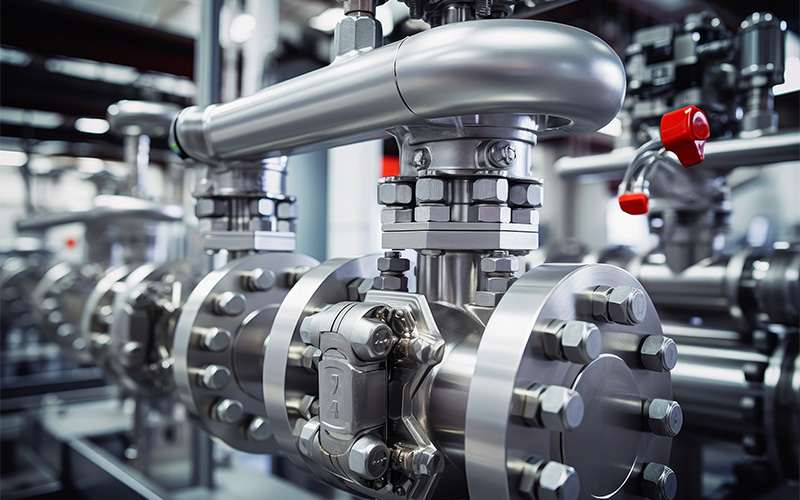
Diaphragm valves are widely used across oil and gas, chemical processing, marine, and utility systems because they provide reliable shut-off and effective media isolation. However, their suitability for a given application depends heavily on the material used for the diaphragm. Each material responds differently to chemicals, temperature extremes, and mechanical cycling.
In this article, we examine the most commonly used diaphragm valve materials, outlining their key characteristics, performance limitations, and typical industrial applications.
5 Common Diaphragm Valve Materials
1. EPDM (Ethylene Propylene Diene Monomer)
EPDM is widely used in applications involving water-based media and moderate operating temperatures. Its strong resistance to hot water, steam, alkaline solutions, and many mild chemicals makes it well suited for utilities, HVAC systems, and wastewater treatment environments. The material’s inherent elasticity allows it to maintain consistent contact pressure against the valve seat during repeated opening and closing cycles, supporting reliable sealing over time.
However, EPDM performs best in systems with minimal hydrocarbon exposure, as contact with oils and fuels can lead to swelling and a gradual loss of mechanical strength. When selected within these operating limits, diaphragm valves made of this material offer stable performance, predictable service life, and dependable long-term operation.
2. PTFE (Polytetrafluoroethylene)
PTFE is selected primarily for applications involving aggressive or highly corrosive media. Its exceptional chemical inertness allows it to withstand strong acids, solvents, and reactive fluids that would degrade most elastomers. The material’s low-friction, non-stick surface also reduces product adhesion and contamination risk, making it suitable for chemical processing and high-purity systems.
Due to its limited elasticity compared to rubber-based materials, PTFE relies heavily on proper valve design and installation to achieve effective sealing.
3. NBR (Nitrile Rubber)
NBR is commonly used in systems where oils, fuels, and petroleum-based fluids are present. Its resistance to hydrocarbons, combined with good mechanical strength and abrasion resistance, makes it suitable for industrial equipment and fluid transfer applications. NBR also performs reliably under moderate pressure conditions where repeated valve cycling is required.
However, the material has lower resistance to ozone, ultraviolet exposure, and strong oxidising agents, which can limit its use in outdoor or chemically aggressive environments. Temperature tolerance is also more restricted than that of specialised elastomers. When applied within these constraints, this diaphragm valve material offers a practical and cost-effective solution for hydrocarbon services.
4. Silicone Rubber
Silicone rubber is valued for its ability to maintain flexibility across a wide temperature range, including both very low and elevated operating conditions. This thermal stability allows the diaphragm to retain sealing capability in applications where temperature variation would cause conventional elastomers to harden or deform. Silicone is also odourless, non-toxic, and easy to sterilise, supporting its use in pharmaceutical, food, and biotechnology processes.
Despite these advantages, silicone has limited resistance to oils, fuels, and concentrated acids, which can accelerate material degradation.
5. Viton (FKM)
Viton is a high-performance fluoroelastomer designed for chemically aggressive and high-temperature environments. It offers excellent resistance to a wide range of solvents, fuels, and industrial chemicals while retaining elasticity under sustained thermal stress. This combination supports extended service life and stable sealing performance in demanding industrial applications.
The material typically carries a higher initial cost and is not well-suited for prolonged exposure to steam, which can affect long-term durability.
Key Considerations When Selecting a Diaphragm Valve Material
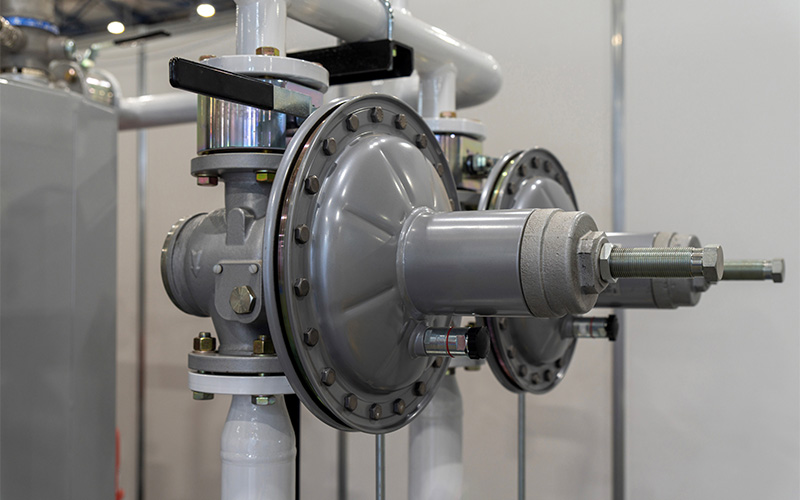
Material selection for industrial diaphragm valves requires more than matching a datasheet to a process fluid. In practice, performance is shaped by how multiple operating factors interact over time.
1. Chemical Compatibility
The diaphragm is in direct contact with the process media, making chemical resistance a primary consideration. Beyond identifying whether a material is broadly “compatible”, it is important to assess concentration levels, exposure duration, and the presence of contaminants or cleaning agents. Some materials tolerate short-term exposure but degrade under continuous service, which can affect long-term sealing integrity.
2. Temperature Range and Thermal Cycling
Operating temperature influences elasticity, fatigue resistance, and ageing behaviour. Materials that perform well at ambient conditions may harden, soften, or lose resilience when exposed to sustained heat or frequent temperature fluctuations. Thermal cycling can accelerate material fatigue, particularly in systems with frequent start-stop operations.
3. Mechanical Flexibility and Cycle Life
Diaphragms undergo repeated flexing during valve operation. Materials with insufficient fatigue resistance may crack or lose sealing force over time. Applications involving high actuation frequency, pressure variation, or vibration require materials that can maintain flexibility without mechanical breakdown.
4. Pressure and Sealing Requirements
System pressure affects how the diaphragm seats against the valve body. Higher pressures may improve sealing initially, but can increase stress and wear over time. Material selection should account for both normal operating pressure and potential pressure surges to ensure stable valve sealing performance throughout the service interval.
Making Informed Material Decisions for Long-Term Reliability
Selecting the right diaphragm valve material is ultimately about aligning material behaviour with real operating conditions. Chemical exposure, temperature range, pressure variation, and actuation frequency all influence how a diaphragm performs over time. When these factors are evaluated together, material selection becomes a proactive reliability decision rather than a reactive maintenance issue.
For industrial operators, working with an experienced valve company that understands both application demands and material limitations can help reduce downtime and support safer system operation. As a trusted supplier, OTOM Services Pte Ltd provides technical guidance to ensure your valves are specified with materials suited for long-term performance in demanding environments.
Get in touch with us today.
Related Articles
Common Symptoms of Check Valve Failure to Look Out For
Check valve failure can introduce risks that extend beyond the valve itself, affecting equipment integrity and system stability. This article outlines key symptoms that signal declining performance and explains their underlying causes. With a clearer understanding of how these issues develop, engineers and maintenance teams can intervene earlier to safeguard assets and maintain reliable system operation.
Exploring the Impact of Globe Valve Size on Flow Efficiency and Pressure Drop
Choosing the right globe valve size is critical to maintaining efficient flow and stable pressure. This article explains how flow regulation principles, pressure limits, and fluid properties influence sizing decisions, helping operators understand why correct selection improves control, protects equipment, and supports long term system reliability across industrial and marine applications. Read on to find out more.