

Key Takeaways
- RTJ gaskets are engineered for demanding environments involving high pressure and elevated temperatures.
- Each gasket is designed to match specific pressure ranges, flange designs, and operating conditions.
- Correct selection improves sealing reliability, extends equipment lifespan, and reduces unplanned downtime.
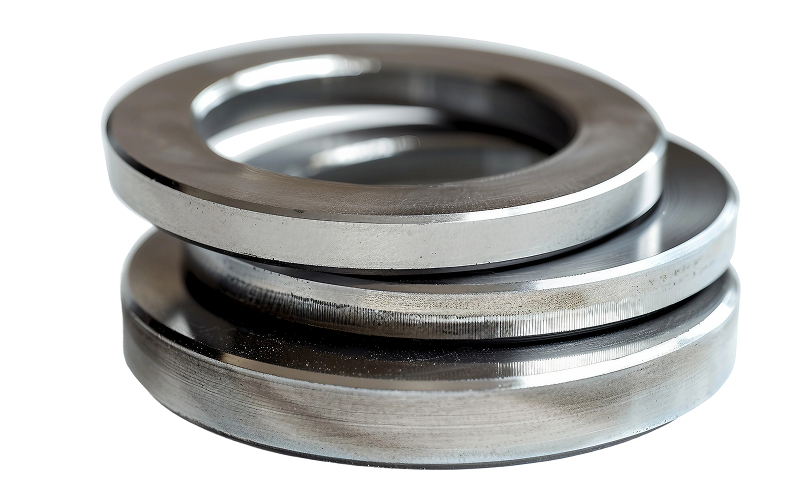
Ring Type Joint (RTJ) gaskets play a vital role in industrial systems where failure is simply not an option. Designed for extreme pressure and temperature environments, these metal gaskets are commonly used in oil, gas, petrochemical, and marine applications. Understanding the differences between the different types of RTJ gaskets will go a long way in helping engineers, procurement teams, and maintenance planners make informed decisions that protect equipment integrity and operational safety.
Understanding Ring Type Joint Gaskets
A RTJ gasket is a precision-machined metal sealing ring designed to sit within specially grooved flanges. When bolted, the gasket deforms slightly to create a tight seal capable of withstanding severe operating stresses. Compared to soft gaskets, this design delivers consistent metal gasket performance even under fluctuating temperatures and pressures.
These gaskets are commonly found in critical flange connections, including pipelines, pressure vessels, and valves where leakage could lead to safety risks or costly shutdowns. A ring joint gasket relies on exact dimensions and material compatibility to perform as intended, which is why it is important to have a good understanding of the available types of RTJ gaskets.
Types of RTJ Gaskets
1. R-Type RTJ Gasket
Design and Features
The R-type is the most widely used and cost-effective profile amongst RTJ gasket types. Available in oval and octagonal cross-sections, it fits standard flat-bottom grooves and is suitable for pressures of up to approximately 5,000 psi. Its straightforward geometry makes it easy to install and replace during routine maintenance.
Performance and Applications
R-type gaskets are commonly used in refinery equipment, pipeline systems, and pressure vessels operating under stable conditions. They provide reliable sealing without unnecessary complexity, which explains their continued popularity across general industrial services.
Material Options
Common materials include soft iron, low-carbon steel, and stainless steel, selected based on media compatibility and operating temperature.
2. RX-Type RTJ Gasket
Design and Features
The RX-type builds upon the R-type design with a pressure-energised profile. As internal pressure rises, the gasket is driven more firmly into the groove, enhancing sealing efficiency and stability.
Performance and Applications
This design makes the RX type suitable for oilfield equipment and chemical processing systems exposed to pressure cycling and vibration. It is often chosen for environments where thermal expansion and contraction are frequent.
Additional Advantages
RX gaskets are interchangeable with standard R-type grooves, allowing system upgrades without flange modification.
3. BX-Type RTJ Gasket
Design and Features
The BX-type is engineered for extreme service, handling pressures of up to 20,000 psi. Its geometry promotes metal-to-metal contact between flanges after installation, eliminating the risk of gasket extrusion or blowout.
Performance and Applications
BX gaskets are essential for offshore and subsea operations, API 6BX flanges, and critical transmission systems. They are often specified in applications involving marine valves, where absolute sealing integrity is required in corrosive and high-pressure environments.
Material Considerations
Typical materials include Inconel, alloy steel, and high-grade stainless steel for superior corrosion and temperature resistance.
Which Type Should You Choose?
Selecting from the available RTJ gasket types depends on several factors, including pressure rating, flange design, operating medium, and environmental exposure.
- R-Type: Suitable for standard pressure systems and general industrial service.
- RX-Type: Appropriate for higher-pressure systems with vibration or pressure fluctuations.
- BX-Type: Best for ultra-high-pressure, offshore, and subsea applications requiring self-sealing capability.
Careful evaluation ensures the gasket delivers reliable high-pressure sealing solutions throughout its service life.
RTJ gaskets remain a cornerstone of safe and reliable industrial sealing. By understanding how different RTJ gasket types function and where they perform best, operators can reduce leakage risks and maintain system efficiency.
OTOM Services supplies engineered sealing and valve solutions for demanding industrial and marine environments. With a focus on precision components, material compatibility, and application-specific requirements, we support clients across oil, gas, petrochemical, and marine sectors.
Contact us today to discuss your application requirements and identify the right RTJ gasket solution for your system.
Related Articles
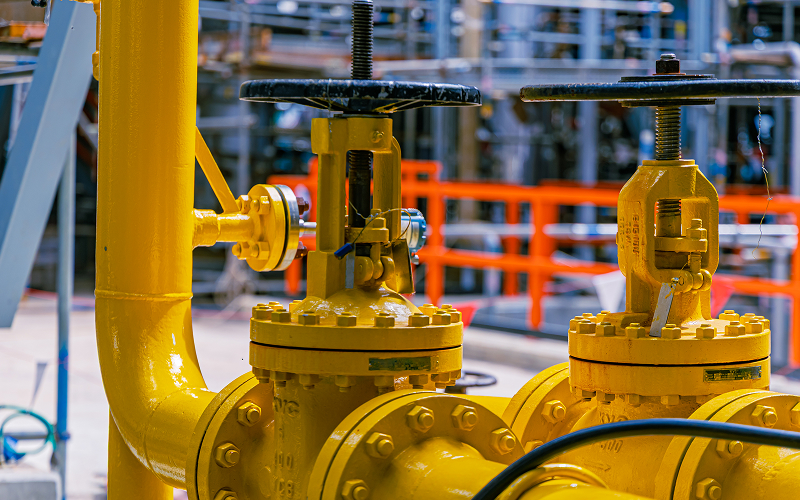
Common Symptoms of Check Valve Failure to Look Out For
Check valve failure can introduce risks that extend beyond the valve itself, affecting equipment integrity and system stability. This article outlines key symptoms that signal declining performance and explains their underlying causes. With a clearer understanding of how these issues develop, engineers and maintenance teams can intervene earlier to safeguard assets and maintain reliable system operation.
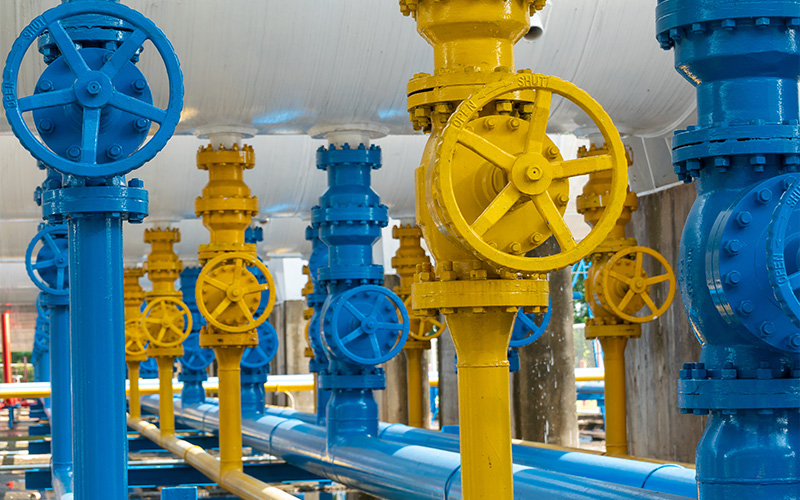
Exploring the Impact of Globe Valve Size on Flow Efficiency and Pressure Drop
Choosing the right globe valve size is critical to maintaining efficient flow and stable pressure. This article explains how flow regulation principles, pressure limits, and fluid properties influence sizing decisions, helping operators understand why correct selection improves control, protects equipment, and supports long term system reliability across industrial and marine applications. Read on to find out more.