

Key Takeaways
- Globe valve size plays a central role in balancing flow efficiency with acceptable pressure loss in fluid systems.
- Correct sizing improves control accuracy, system stability, and long-term operational reliability.
- Considering flow demand, pressure limits, and fluid properties together leads to more predictable performance.

Fluid systems rely on balance, and when the flow is too restricted, pressure builds and efficiency suffers. Conversely, a flow that is too loose leads to unpredictable control. One component that quietly governs this balance is the globe valve, and more specifically, its size. Understanding how globe valve size affects flow efficiency and pressure drop helps operators, engineers, and decision-makers make informed choices that support stable, reliable system performance rather than costly corrections later on.
1. What Are Globe Valves
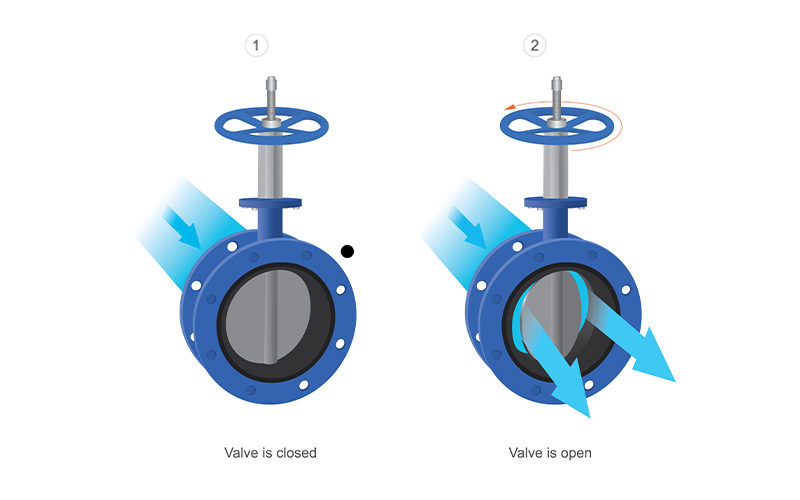
Globe valves are control valves designed to regulate fluid flow through precise throttling. Unlike simple on off valves, they allow operators to fine tune how much fluid passes through a system, making them especially useful where stability and accuracy matter.
Their internal structure features a movable plug and a stationary seat. As the plug moves closer to or further from the seat, the opening changes gradually, allowing controlled adjustment rather than abrupt flow changes. This design supports reliable shutoff while also enabling steady modulation.
Because of this, globe valves are widely used in applications that depend on consistent control, including process lines, utilities, and critical service systems. Understanding how globe valve size interacts with this internal mechanism is essential for achieving predictable results.
2. Key Factors Influencing Globe Valve Size
Selecting the correct size is not about choosing the largest valve available. It requires balancing several technical considerations so that the valve supports both flow efficiency and pressure stability.
Flow Requirements and Cv Value
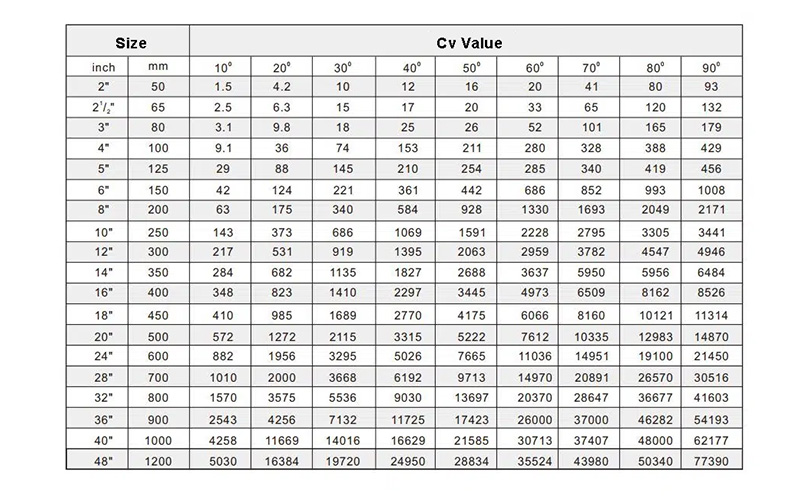
Every system has a required flow rate. This demand is translated into a Cv value, which indicates how much fluid can pass through the valve at a given pressure drop. If the valve Cv is too low, flow becomes restricted and pumps work harder. If it is too high, control becomes less precise. A practical valve sizing guide helps match flow demand to the appropriate Cv so the valve operates within its optimal range.
System Pressure and Allowable Pressure Drop
Pressure loss is unavoidable when fluid passes through a valve. However, excessive pressure drop reduces system efficiency and may strain upstream equipment. An undersized valve increases resistance, while an oversized valve often results in unstable control. Choosing the right size means understanding how much pressure the system can afford to lose while still operating reliably.
Fluid Properties
Fluid characteristics such as viscosity, density, and temperature directly influence sizing decisions. Thicker or denser fluids need greater flow capacity to move smoothly through the valve. Temperature changes can alter fluid behaviour and affect valve materials and sealing performance. These factors must be evaluated carefully when determining the most suitable size for a given application.
Control Accuracy Required
Some systems demand very fine modulation, where even small flow changes matter. In these cases, accurate sizing supports smoother throttling and reduces the risk of oscillation. Oversized valves tend to operate near the closed position, which can lead to erratic behaviour and poor responsiveness. Aligning valve capacity with actual operating conditions supports stable control and reinforces sound flow regulation principles.
Why Size Matters in Real Applications

In practical settings, globe valves are commonly used as industrial valves in energy, water, manufacturing, and marine systems. In shipboard piping, for example, a correctly sized marine globe valve helps maintain pressure balance across fuel, cooling, or ballast systems, contributing to safer and more efficient operation.
Similarly, specialised designs such as an angle globe valve are used where piping layout or directional flow changes require compact and efficient solutions. In each case, the sizing decision influences not only flow and pressure, but also wear rates, maintenance intervals, and overall system reliability. This highlights why globe valve size should always be considered as part of the wider system design rather than in isolation.
The relationship between globe valve size, flow efficiency, and pressure drop is fundamental to how fluid systems perform. Getting this balance right supports accurate control, protects upstream equipment, and promotes long term operational stability. By evaluating flow requirements, allowable pressure loss, fluid properties, and control expectations together, engineers and operators can make informed sizing decisions that reduce inefficiencies and avoid costly adjustments later.
Here at OTOM Services, we support these decisions by supplying and supporting a wide range of valves and related components for industrial and marine applications. As a trusted valve company in Singapore, we work closely with clients to align technical requirements with practical operating needs, from selection to ongoing support.
For guidance on selecting the right valve for your system and ensuring reliable performance, please contact us today.
Related Articles

Common Symptoms of Check Valve Failure to Look Out For
Check valve failure can introduce risks that extend beyond the valve itself, affecting equipment integrity and system stability. This article outlines key symptoms that signal declining performance and explains their underlying causes. With a clearer understanding of how these issues develop, engineers and maintenance teams can intervene earlier to safeguard assets and maintain reliable system operation.
Exploring the Impact of Globe Valve Size on Flow Efficiency and Pressure Drop
Choosing the right globe valve size is critical to maintaining efficient flow and stable pressure. This article explains how flow regulation principles, pressure limits, and fluid properties influence sizing decisions, helping operators understand why correct selection improves control, protects equipment, and supports long term system reliability across industrial and marine applications. Read on to find out more.