

Key Takeaways
- Gaskets and seals are designed for different mechanical roles and are not interchangeable within industrial systems.
- Gaskets are used in static connections where sealing is achieved through sustained compression, while seals are required for dynamic interfaces involving movement.
- Once the sealing type is established, operating pressure, temperature, process media, and duty cycle guide design and material selection.
- Correct specification of sealing components helps reduce leakage risk and extend equipment service life. This supports safe, reliable operation in demanding industrial environments.
Introduction
When industrial systems experience leaks or pressure instability, the root cause often lies at the sealing point. Two common components used to address these issues are gaskets and seals. While both types of industrial sealing technology are designed to prevent fluid escape and maintain system integrity, they serve different mechanical functions and are engineered for different operating conditions.
What Are Gaskets?
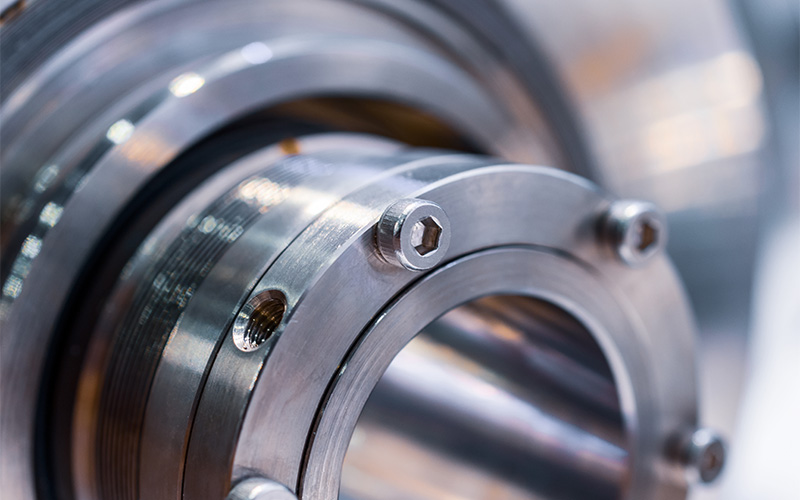
Gaskets are mechanical sealing elements installed between two stationary mating surfaces. Their role is to create a pressure-tight seal once the joint is compressed, compensating for surface irregularities. Since there is no relative movement after installation, gaskets are designed to withstand sustained compressive loads over long periods.
Common applications of gaskets include:
- Pipe flange connections in process piping systems
- Valve bonnets, covers, and inspection ports
- Heat exchangers and pressure vessels
Gaskets are typically used when reliability under pressure and temperature is critical. As such, they are often found in industries like oil and gas production, marine engineering, power generation, and chemical processing.
What Are Seals?
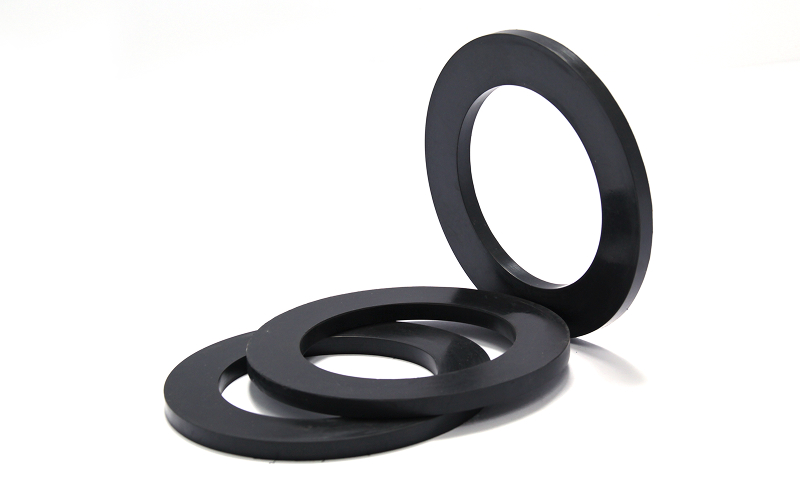
Seals are designed to maintain containment between components that experience relative motion during operation. As such, they must be able to accommodate rotation, reciprocation, or oscillation while controlling friction, wear, and heat generation.
Common applications of seals include:
- Rotating shafts in pumps and compressors
- Hydraulic and pneumatic cylinders
- Gearboxes and rotating equipment
- Mechanical assemblies
Industries such as oilfield services, marine operations, manufacturing, and petrochemical processing rely on seals to ensure long-term operational efficiency.
How to Choose the Right Gaskets and Seals
Choosing between gaskets and seals is fundamentally about understanding how the interface behaves during real operation. The following factors influence not just performance, but also reliability, maintenance demands, and failure risk.
The Main Differentiator: Static and Dynamic Sealing
The most decisive factor is whether the joint remains stationary or experiences movement during operation. Gaskets are selected for interfaces that are fixed once assembled, such as flanged pipe joints, valve covers, or pressure vessel closures. On the other hand, seals are required where components move relative to each other, such as rotating pump shafts or reciprocating hydraulic rods. Misidentifying the interface type often leads to early failure.
Factors Affecting Gasket and Seal Materials
After the nature of the interface determines whether a gasket or a seal is suitable, the specific design and material selection are influenced by operating pressure, temperature range, process media, and duty cycle.
1. Operating Pressure and Load Profile
Operating pressure influences how gaskets and seals resist deformation and maintain contact over time. In static joints, higher pressures increase the risk of gasket extrusion or blowout if the material cannot sustain the required compressive load. For example, high-pressure flange connections often specify a metal ring gasket designed to withstand extreme loads. In dynamic applications, elevated pressure increases contact forces at the sealing interface, which can accelerate wear if the seal design is not pressure-balanced.
2. Temperature Range and Thermal Cycling
Materials are selected based on their ability to maintain sealing behaviour across the full operating temperature range. Repeated heating and cooling can reduce gasket compression due to creep or relaxation, particularly in systems that cycle frequently. In such conditions, metallic ring-type joint (RTJ) gaskets are often used, as they rely on controlled plastic deformation to maintain sealing integrity at elevated temperatures.
In dynamic systems, elevated temperatures can increase friction and harden seal materials, leading to faster wear. To address this, seals made from materials with high thermal stability, low friction characteristics, and resistance to hardening are typically specified.
3. Process Media and Chemical Compatibility
Gaskets and seals must remain stable when exposed to the process media over extended periods. This is particularly relevant in systems handling hydrocarbons, solvents, or corrosive fluids. In static joints, chemical interaction can degrade gasket materials, reducing their ability to sustain compression. In dynamic systems, media properties such as lubricity or abrasiveness directly affect seal wear and friction.
4. Duty Cycle and Service Life Expectations
How often a system operates, and under what conditions, directly affects the longevity of sealing components. Static joints designed for long-term service may prioritise gasket materials that resist creep and maintain sealing stress over extended periods. For dynamic applications, the duty cycle has an even greater impact, as seals are subjected to continuous rotation, frequent start-stop cycles, or variable speeds. This is why seals with higher wear resistance, stable geometry, and predictable service life are selected to reduce unplanned downtime.
From Specification to Performance: Getting Sealing Right
Gaskets and seals play different but equally critical roles in maintaining system integrity. Selecting the appropriate sealing solution requires an understanding of how the interface behaves over time, particularly under thermal cycling, pressure fluctuations, and continuous operation. Getting this decision right helps minimise unplanned shutdowns, protect personnel and equipment, and maintain consistent process performance in demanding industrial environments.
To ensure consistency and reliability across your operations, work with OTOM Services Pte Ltd. We offer a comprehensive range of industrial components, including gaskets, seals, marine valves, oilfield equipment, and related accessories, supporting industrial applications with dependable supply and technical expertise. Speak with our team today.
Related Articles
Common Symptoms of Check Valve Failure to Look Out For
Check valve failure can introduce risks that extend beyond the valve itself, affecting equipment integrity and system stability. This article outlines key symptoms that signal declining performance and explains their underlying causes. With a clearer understanding of how these issues develop, engineers and maintenance teams can intervene earlier to safeguard assets and maintain reliable system operation.
Exploring the Impact of Globe Valve Size on Flow Efficiency and Pressure Drop
Choosing the right globe valve size is critical to maintaining efficient flow and stable pressure. This article explains how flow regulation principles, pressure limits, and fluid properties influence sizing decisions, helping operators understand why correct selection improves control, protects equipment, and supports long term system reliability across industrial and marine applications. Read on to find out more.