

Key Takeaways
- The right gasket choice supports consistent sealing across pressure, temperature, and operating cycles.
- Poor material compatibility accelerates wear, leakage, and unplanned downtime.
- Understanding application conditions helps extend equipment life and reduce maintenance risk.
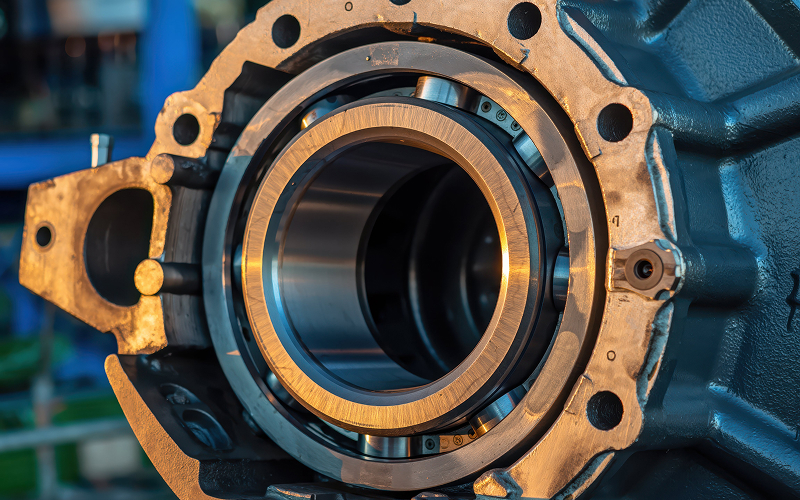
Selecting the correct gasket material is one of the most crucial decisions engineers and maintenance teams can make, yet it is often underestimated. A gasket sits quietly between flanges, but its role is anything but minor. Material choice directly influences industrial sealing performance, affecting how well a joint holds under heat, pressure, chemicals, and repeated mechanical stress. When the wrong option is used, even a well-designed system can suffer leaks, damage, or early failure.
Temperature Resistance Determines Material Stability
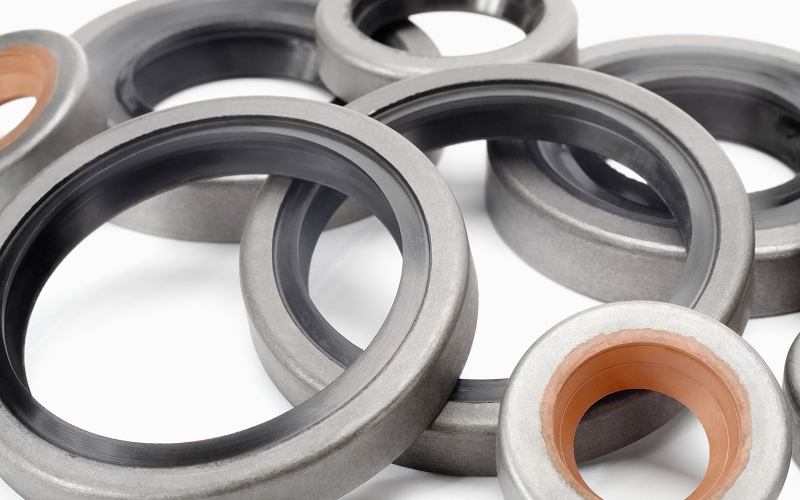
Heat exposure is one of the first factors to consider when choosing a gasket material. Each material responds differently as temperatures rise or fluctuate. Elastomers such as rubber perform reliably in moderate temperature ranges, offering flexibility and ease of installation. However, prolonged exposure to high heat can cause them to harden, crack, or lose elasticity.
For elevated temperatures, materials like graphite or metal-based gaskets provide better thermal stability. They retain structure where softer materials would degrade. Temperature mismatch often results in gradual seal failure rather than sudden breakdown, making it harder to detect until leaks become visible.
Chemical Compatibility Prevents Degradation
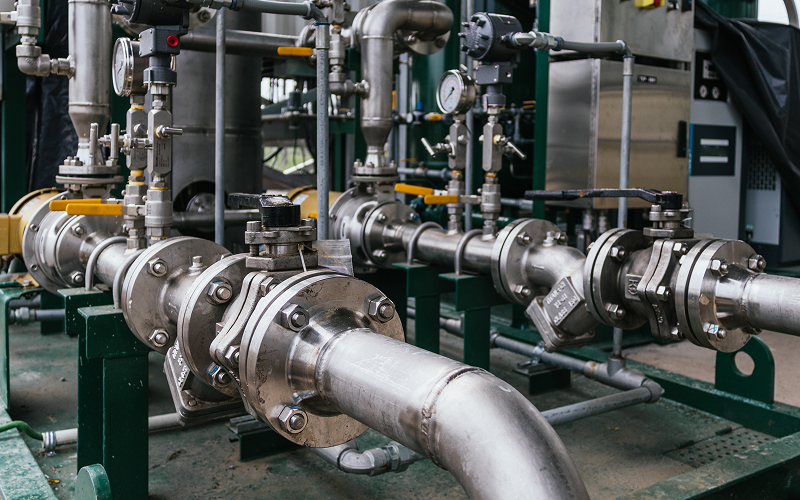
Fluids flowing through a system interact constantly with the gasket surface. Oils, acids, solvents, fuels, or seawater can all affect material behaviour. A gasket material that is not chemically compatible may swell, soften, or break down, even if temperature and pressure ratings appear suitable.
PTFE and similar chemically resistant materials are often selected for aggressive media because they resist reaction and maintain dimensional stability. Evaluating chemical exposure alongside temperature helps address key gasket durability factors before problems arise in service.
Compression and Recovery Influence Long-Term Sealing
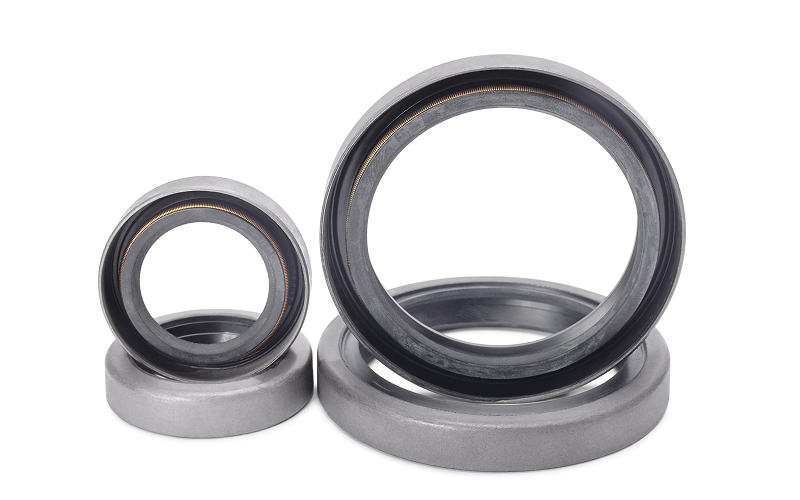
A gasket must compress enough to fill surface irregularities and then recover when loads change. This balance is central to reliable sealing. A poorly chosen gasket material may compress initially but fail to rebound after pressure cycles, leading to permanent deformation known as creep.
Over time, creep reduces contact stress, allowing leaks to develop even though bolts remain tight. Materials with good resilience support long-term sealing by maintaining contact pressure as operating conditions vary.
Pressure Handling Impacts Safety and Performance
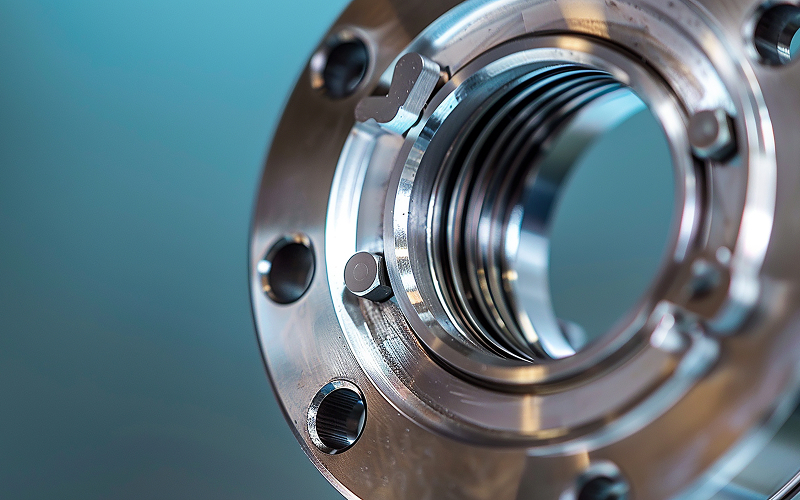
Pressure places direct mechanical load on a gasketed joint. Low-pressure systems can rely on softer materials, but higher pressures demand more robust solutions. High-pressure gasket materials are designed to resist extrusion and maintain integrity under sustained load.
In critical applications, a RTJ gasket is often used. This type of seal relies on controlled deformation between precision-machined flanges, providing reliable sealing where pressures are extreme. Incorrect pressure ratings increase the risk of blowouts, leaks, or flange damage.
Surface Finish Compatibility Supports Optimal Sealing
Flange surface finish plays a quiet but important role in sealing success. Some gaskets are engineered to conform to rougher surfaces, while others perform best against smooth, machined faces. A metal ring gasket, for example, requires precise flange grooves to seat correctly and achieve the intended seal.
Matching material characteristics to flange condition avoids over-compression, uneven loading, and premature wear. This step is often overlooked but has a direct effect on seal reliability.
Seal reliability depends on understanding how material properties interact with real operating conditions. Temperature resistance, chemical compatibility, compression behaviour, pressure handling, and surface finish all influence how a gasket performs over time. Choosing the right gasket material supports safer operations, longer equipment life, and fewer disruptions.
OTOM Services supplies industrial valves, gaskets, and sealing solutions for demanding applications across oil and gas, marine, and industrial sectors. The team supports material selection based on operational requirements, standards, and system conditions, including specialised options like API ring gaskets.
For guidance on selecting suitable gasket solutions for your system, please contact us to ensure that your sealing approach supports long-term performance and reliability.
Related Articles
Common Symptoms of Check Valve Failure to Look Out For
Check valve failure can introduce risks that extend beyond the valve itself, affecting equipment integrity and system stability. This article outlines key symptoms that signal declining performance and explains their underlying causes. With a clearer understanding of how these issues develop, engineers and maintenance teams can intervene earlier to safeguard assets and maintain reliable system operation.
Exploring the Impact of Globe Valve Size on Flow Efficiency and Pressure Drop
Choosing the right globe valve size is critical to maintaining efficient flow and stable pressure. This article explains how flow regulation principles, pressure limits, and fluid properties influence sizing decisions, helping operators understand why correct selection improves control, protects equipment, and supports long term system reliability across industrial and marine applications. Read on to find out more.