

Key Takeaways
- A mud pump plays a central role in drilling by keeping fluid moving, pressures balanced, and the drill bit protected.
- Its internal components work in a precise cycle to deliver steady, high-pressure flow downhole.
- Proper maintenance keeps drilling operations safe, efficient, and predictable over long operating periods.
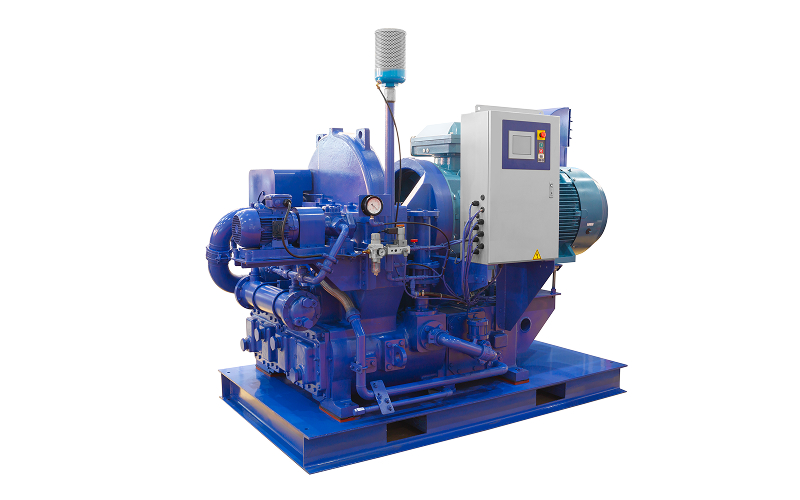
A mud pump is often described as the heart of a drilling operation, and for good reason. Without it, drilling would quickly come to a halt. Its main job is to keep drilling fluid moving through the wellbore so that the drill bit stays cool, rock cuttings are removed, and pressure remains under control. While the equipment itself can appear complex, the principle behind its operation is surprisingly straightforward.
Understanding how these pumps work helps explain why it is so critical to safe and efficient drilling, especially in deep or high-pressure environments.
Purpose of a Mud Pump
The primary role of a mud pump is to maintain continuous drilling fluid circulation throughout the well. Fluid is pumped down the drill string, exits at the drill bit, and flows back to the surface through the annulus. This cycle supports several vital functions.
The drilling fluid cools and lubricates the drill bit, reducing heat build-up and mechanical wear. At the same time, it carries crushed rock and debris away from the cutting face, preventing blockages that could destabilise the borehole. Pressure control is another key task. By maintaining the correct hydrostatic pressure, the fluid helps prevent formation fluids from entering the well unexpectedly. This balance is essential for well control and safety.
In simple terms, the pump sustains the hydraulic flow that allows drilling to continue smoothly, even in demanding subsurface conditions.
Core Components and Their Roles
Most drilling rigs rely on a reciprocating pump system, which is designed to deliver high-pressure flow in a controlled and dependable manner. This type of pump is a standard part of modern oilfield equipment, particularly in operations where consistent fluid movement is essential for safety and efficiency.
Each pump consists of two main assemblies that work together to support drilling operations.
Power End
The power end converts rotational energy from the motor into a back-and-forth motion. This section contains the crankshaft, crosshead, connecting rods, bearings, and lubrication system. These parts must withstand continuous mechanical stress, often for extended periods, while maintaining consistent movement.
Fluid End
The fluid end is responsible for handling pressure and direct contact with drilling mud. It houses pistons, liners, and internal valves that control how fluid enters and exits the chamber. Pistons generate the force needed to move mud through the system, while liners provide a wear-resistant surface that protects the pump body and maintains pressure consistency over time.
Flow control across the wider drilling system is often supported by isolation components such as a gate valve, which allows operators to stop or regulate fluid movement during maintenance or system adjustments.
How Valves and Pistons Work Together
Source: Drilling Manual
The pumping cycle operates through a repeating suction and discharge motion. During the suction stroke, the piston retracts, creating a low-pressure zone that draws drilling mud into the chamber. When the piston moves forward, pressure builds and forces the mud out through the discharge pathway.
To maintain directional flow and protect equipment from pressure reversal, downstream systems commonly rely on devices such as a swing check valve. This component automatically closes if flow attempts to reverse, helping to stabilise pressure and reduce mechanical stress within the circulation system.
This coordinated action supports smooth, uninterrupted drilling fluid movement to the bit and back to the surface.
Maintenance and Reliability

Because drilling operations often run continuously, routine inspection of mud pump components is essential. Valves, pistons, and liners are exposed to abrasive solids and high pressures, which can gradually affect performance if left unchecked.
Sealing integrity also plays a critical role in long-term reliability. High-pressure connections within the fluid system typically rely on precision seals such as an RTJ gasket, which helps maintain tight joints and prevent leakage under extreme operating conditions. Proper installation and timely replacement of these seals contribute to stable pressure control and reduced downtime.
A mud pump is fundamental to drilling operations, driving fluid circulation, protecting the drill bit, and maintaining well control. Its carefully coordinated components work together to deliver reliable performance under demanding conditions. Understanding how it functions highlights why proper maintenance and quality components matter.
OTOM Services supports drilling and industrial operations by supplying valves, gaskets, and related components designed for high-pressure applications. With a focus on dependable solutions and technical support, we are committed to keeping critical systems running smoothly.
Contact us today to discuss your operational requirements and explore suitable equipment solutions.
Related Articles
Common Symptoms of Check Valve Failure to Look Out For
Check valve failure can introduce risks that extend beyond the valve itself, affecting equipment integrity and system stability. This article outlines key symptoms that signal declining performance and explains their underlying causes. With a clearer understanding of how these issues develop, engineers and maintenance teams can intervene earlier to safeguard assets and maintain reliable system operation.
Exploring the Impact of Globe Valve Size on Flow Efficiency and Pressure Drop
Choosing the right globe valve size is critical to maintaining efficient flow and stable pressure. This article explains how flow regulation principles, pressure limits, and fluid properties influence sizing decisions, helping operators understand why correct selection improves control, protects equipment, and supports long term system reliability across industrial and marine applications. Read on to find out more.