


Key Takeaways
- A check valve is a self-acting component that is essential for backflow prevention and critical equipment protection.
- It plays a vital role in maintaining pressure stability and system reliability.
- Different designs suit different flow velocities, pressures, and installation constraints.
- Knowing what a check valve is and how to choose the right component supports long-term performance in demanding industrial environments.
- Reliable sourcing and technical guidance are essential for high-risk applications.

In complex piping networks, unidirectional flow is fundamental to system safety, efficiency, and asset protection. This is where check valves come in, operating as self-acting devices that protect pumps, compressors, and piping from backflow-related damage. They are essential for maintaining pressure stability and reliable operation across industrial and marine applications.
Below, we break down what a check valve is, how it works within industrial piping systems, and why it remains a critical component across facilities.
What Is a Check Valve? Basic Functions and Operating Principles
A check valve is designed to open when upstream pressure exceeds downstream pressure, allowing fluid to move forward. The pressure difference pushes the disc or plate away from its seat and creates a clear flow path. When the flow slows or reverses, the pressure differential across the valve diminishes or reverses. The closure element then returns to its seat, sealing the passage and preventing backflow.
This operation requires no external power or manual control. The valve responds automatically to changes in flow conditions, helping maintain pressure stability and preventing reverse flow that could damage equipment or compromise system performance. In high-risk industrial environments, this self-acting behaviour plays an important role in supporting overall system reliability and process safety.
The Different Types of Check Valves
Different applications demand different valve designs, especially when flow velocity, space constraints, and pressure ratings vary.
- Swing check valve: This design uses a hinged disc that swings open with forward flow and closes under reverse flow or gravity. They are commonly applied in low-velocity pipelines such as water distribution networks.
- Wafer check valve: Wafer-type check valves feature a compact design that is widely used where installation space is limited. These fit between flanges and reduce overall system weight, making them suitable for marine and offshore installations.
- Dual-plate check valve: Made of two spring-loaded plates that close rapidly when flow reverses. This design reduces pressure spikes and is well-suited for higher-pressure flow control systems and industrial environments.
- Non-slam check valve: For systems sensitive to pressure surges, a non-slam valve provides controlled, silent closure. Its spring-assisted mechanism minimises water hammer, protecting downstream equipment in vertical or high-speed flow installations.
The Importance of Material Selection in Check Valves
Material selection is a critical engineering decision, as it directly affects performance, durability, and safety under operating conditions. Key considerations typically include:
- Fluid compatibility: Materials must resist corrosion, erosion, or chemical attack from the conveyed media, especially in oil, gas, chemical, and seawater applications.
- Pressure rating: The material must maintain structural integrity under both normal operating pressure and transient pressure surges to avoid deformation or failure.
- Operating temperature: High or fluctuating temperatures can weaken certain materials or affect sealing performance, making temperature tolerance a key selection factor.
- Mechanical strength and fatigue resistance: Repeated opening and closing cycles place stress on internal components, requiring materials that can withstand long-term mechanical loading.
By aligning material selection with these factors, engineers can improve valve reliability, extend service life, and reduce maintenance risks. This, in turn, supports more predictable system performance and fewer unplanned shutdowns.
Industrial Applications and System Protection
Check valves are widely deployed across industrial sectors where controlling flow direction is essential to protecting equipment and maintaining stable operating conditions.
1. Water Distribution and Treatment Systems
Check valves prevent reverse flow that could introduce contamination into clean water supplies. They also protect pumps and downstream equipment from reverse pressure shock during sudden shutdowns or power loss.
2. Marine and Offshore Pipelines
In ballast, bilge, and cooling water systems, check valves help stabilise flow in installations exposed to vessel movement, vibration, and changing load conditions. This reduces the risk of backflow that could disrupt system balance or damage auxiliary equipment.
3. Oil and Gas Processing Facilities
Check valves act as a protective industrial valve by shielding compressors, pumps, and pipelines from reverse flow and pressure surges. This is especially important during start-up, shutdown, or emergency conditions, where sudden flow reversal can cause mechanical damage.
Conclusion: Why Proper Selection and Expertise Matter
Selecting the wrong valve type or material creates avoidable operational risk and long-term cost exposure. A clear understanding of what a check valve is empowers engineers and operators to specify solutions that protect critical equipment and stabilise system performance. Critically, this helps reduce the likelihood of failures, downtime, and corrective maintenance, leading to safer operations and mitigated lifecycle costs over the long term.
Partnering with an experienced supplier such as OTOM Services Pte Ltd enables project teams to move beyond generic specifications and select valves that truly match real-world operating demands. With deep technical expertise across oilfield, marine, and petrochemical sectors, our team is here to support accurate specification, risk-aware selection, and reliable sourcing of critical flow control components. Learn more about our technical support and valve sourcing capabilities today.
Key Takeaways
- Butterfly valves achieve reliable flow control through a small number of precisely engineered components that work together under pressure.
- The valve body determines pressure capability, installation method, and compliance with international standards.
- Disc design and material selection directly affect flow efficiency, throttling performance, and resistance to wear or cavitation.
- The stem and its sealing interface play a critical role in torque transmission, alignment, and preventing external leakage.
- Seat material and actuator selection must match operating conditions to ensure consistent shutoff, safe operation, and long service life.
Butterfly valves are widely used across various industrial operations due to their compact footprint, fast response, and cost efficiency. While they may appear mechanically simple, their performance depends heavily on the design and interaction of individual parts.
This article provides a detailed overview of key butterfly valve components, outlining how each element supports sealing integrity, torque transmission, and operational performance.
What Is a Butterfly Valve?
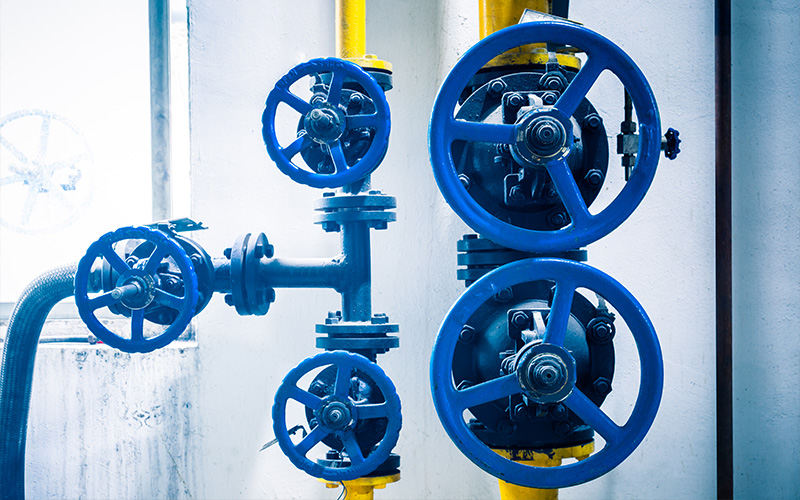
A butterfly valve is a type of quarter-turn valve used to regulate or isolate fluid flow within a pipeline. It operates by rotating a disc positioned in the centre of the flow path, allowing the valve to open, restrict, or fully shut off flow with a simple 90-degree turn.
Butterfly valves are commonly used in industrial, marine, and petrochemical systems due to their compact design, low weight, and fast response. Compared to other valve types, they require less installation space and are well-suited for large-diameter pipelines where efficient flow control and ease of operation are priorities.
Key Components of a Butterfly Valve
1. Valve Body: Pressure Containment and Mechanical Support
The valve body forms the structural backbone of the assembly. It houses all internal elements and provides the interface between the valve and the pipeline. In industrial environments, bodies are commonly manufactured from ductile iron, carbon steel, stainless steel, or high-alloy materials to resist corrosion, pressure fluctuations, and external mechanical stress.
Body design also determines how the valve integrates into the piping system, with common configurations including wafer-type, lug-type, and double-flanged valves. From a systems perspective, the body is one of the most critical industrial valve components, as it directly influences pressure rating, face-to-face dimensions, and compliance with international standards.
2. Disc: Flow Modulation and Isolation Component
The disc is the primary component that modulates flow in a butterfly valve. Mounted centrally within the body, it rotates typically through 90 degrees to regulate or isolate flow. The shape and thickness of the disc influence how smoothly fluid passes through the valve, affecting flow efficiency, turbulence, and the likelihood of cavitation. This is particularly crucial when the valve is used for throttling rather than full open or closed operation.
Material selection is equally important. Stainless steel, duplex alloys, or coated carbon steel discs are often chosen to handle abrasive or corrosive media. Within the valve itself, the disc must balance structural rigidity with hydrodynamic efficiency to ensure predictable control performance.
3. Stem (Shaft): Mechanical Link Between Actuator and Disc
The stem, also known as the shaft, transmits torque from the actuator or handle to the disc. It must be accurately manufactured to keep the disc properly aligned during operation and to reduce vibration or uneven stress on internal components.
In applications where the valve operates frequently or under demanding conditions, stems are often polished, heat-treated, or coated to improve durability and resistance to corrosion. The sealing area around the stem is also designed to prevent leakage to the outside of the valve, making it a crucial part of the valve sealing mechanism. If this seal is damaged or poorly maintained, it can lead to external leakage, accelerated corrosion, and increased maintenance risk, particularly in marine and offshore environments.
4. Seat: Critical Sealing Element
The seat creates a tight seal between the disc and the valve body when the valve is closed. Its role is to prevent fluid from passing through the valve and to maintain shutoff integrity over time.
Seat materials vary depending on operating conditions. Elastomer seats are commonly used for water and low-temperature services, while polytetrafluoroethylene (PTFE) or metal seats are selected for higher temperatures, aggressive chemicals, or applications requiring fire-safe performance. Seat quality directly affects leakage performance, operating torque, and service life.
5. Actuator or Handle: Valve Control Method
The actuator (or handle) controls how the valve opens and closes. Smaller valves often use manual levers or gear operators, while larger systems rely on pneumatic, electric, or hydraulic actuators for consistent and remote operation.
Actuator selection depends on valve size, required torque, operating frequency, and system automation needs. Proper integration ensures the valve functions reliably as part of larger flow control equipment systems.
The Importance of Component Knowledge
Butterfly valves may appear straightforward in design, but their performance depends on the careful interaction of each internal component. From the valve body and disc to the stem, seat, and actuator, every element plays a role in sealing integrity and long-term reliability.
For organisations seeking dependable valve solutions, working with an experienced supplier matters. OTOM Services Pte Ltd supports critical industrial operations with access to proven valve solutions from trusted brands, such as Cameron Demco’s range of butterfly valves. With our technical guidance, you will be better equipped to specify the right valve configurations and achieve reliable long-term performance.
Contact us today to learn more.

When it comes to ensuring leak-free connections in pipes and valves, ring gaskets play a vital role. Ring gaskets are commonly used in industries such as oil and gas, chemical, and manufacturing, where fluid and gas flow must be controlled efficiently. With their ability to withstand high pressure and temperature, ring gaskets are essential components in preventing leaks and maximizing operational efficiency. In this comprehensive guide, we will explore everything you need to know about ring gaskets, from their various types and materials to their installation and maintenance.
Applications of Ring Gaskets
Ring gaskets are versatile components used in a wide range of applications. Whether it’s sealing flanges, pipelines, or valves, ring gaskets provide a reliable solution for creating leak-free connections. These gaskets are typically made of materials such as metal, rubber, or graphite, depending on the specific requirements of the application.
In the oil and gas industry, ring gaskets are commonly used in flange connections. These connections are crucial for the safe and efficient transportation of oil and gas across vast distances. Ring gaskets provide a tight seal between the flanges, preventing any leakage that could result in environmental hazards or operational disruptions.
In the chemical industry, where corrosive substances are handled, ring gaskets made of chemical-resistant materials like PTFE (polytetrafluoroethylene) are used. These gaskets are designed to withstand the harsh chemicals and high temperatures often encountered in chemical processes. By preventing leaks, ring gaskets contribute to the overall safety and productivity of chemical plants.
Similarly, in the petrochemical industry, ring gaskets are essential for sealing pipelines carrying petroleum products. These gaskets ensure that no leaks occur during the transportation of volatile and flammable substances, minimizing the risk of accidents and environmental contamination.
What is a Ring Gasket?
A ring gasket is a mechanical seal that is used to fill the space between two mating surfaces, typically in flange connections. It is called a “ring” gasket because of its circular shape, which allows for an even distribution of pressure across the sealing area. The primary function of a ring gasket is to create a tight seal, preventing the escape of fluids or gases and maintaining the integrity of the system.
Ring gaskets are used in a variety of industries and equipment. In addition to flanges, they are commonly found in pipelines, valves, and other components where fluid or gas flow needs to be controlled. These gaskets are available in different sizes and materials to suit specific applications.
The importance of ring gaskets cannot be overstated. A leak in a critical system can have serious consequences, ranging from financial losses to environmental damage and even personal injuries. By providing a reliable seal, ring gaskets ensure the safety and efficiency of industrial operations.
Materials Used in Manufacturing
Ring gaskets are manufactured using a wide range of materials, each with its own unique properties and advantages. The choice of material depends on factors such as the operating conditions, the type of fluid or gas being sealed, and the required level of resistance to pressure and temperature.
Metal ring gaskets, such as those made from stainless steel or carbon steel, are commonly used in applications involving high pressure and temperature. These gaskets offer excellent resilience and can withstand extreme conditions, making them ideal for demanding environments.
Rubber ring gaskets, on the other hand, are preferred for applications where flexibility and resistance to chemicals are important. Materials like EPDM (ethylene propylene diene monomer) or Nitrile rubber provide a reliable seal and can handle a wide range of fluids, including oil, water, and gases.
Graphite ring gaskets are known for their excellent heat resistance and chemical compatibility. They are often used in high-temperature applications where other materials may fail. Graphite gaskets can withstand extreme temperatures and aggressive chemicals, making them a popular choice in industries such as petrochemical and power generation.
Conclusion
Ring gaskets are essential components in industries where leak-free connections are crucial. Their ability to withstand high pressure and temperature, combined with a variety of material options, makes them versatile and reliable sealing solutions. By selecting the right type of ring gasket and ensuring proper installation and maintenance, industries can maximize operational efficiency and safety in their fluid and gas systems.
Remember, when it comes to choosing ring gaskets, it’s essential to consult with industry experts and consider the specific requirements of your application. With the right selection and proper maintenance, ring gaskets can provide long-lasting and dependable sealing solutions for your industrial needs.
—
Note: The above article is a comprehensive guide to understanding ring gaskets and their applications. It provides general information and does not substitute for professional advice. Always consult with industry experts for specific recommendations and guidance.

When it comes to ensuring a reliable and leak-free sealing solution, Durlon gaskets are in a league of their own. Known for their versatility and exceptional performance, Durlon gaskets have become the go-to choice for industries spanning from oil and gas to pharmaceuticals and beyond. These high-quality gaskets are engineered with precision and crafted using the finest materials, guaranteeing optimal performance even in the most demanding applications. With a wide range of options available, including spiral wound, metal, and compressed sheet gaskets, Durlon offers a solution for every sealing need. Discover the unrivalled versatility and performance of Durlon gaskets and elevate your sealing capabilities to new heights.
Durlon gaskets and their unique advantages
Durlon gaskets are designed to provide exceptional sealing performance in a wide range of applications. Their unique advantages make them the preferred choice for industries that require reliable and long-lasting sealing solutions.
- Ability to withstand extreme temperatures – Whether it’s high heat or freezing cold, Durlon gaskets maintain their integrity, ensuring a secure seal that prevents leaks and contamination.
- Engineered to withstand high pressures – They can handle the most demanding applications, including those that involve steam, oil, gas, and chemicals. The robust construction of Durlon gaskets ensures that they can withstand the forces exerted on them, providing a reliable sealing solution that minimizes downtime and maintenance costs.
- Resistance to corrosion – In industries where exposure to corrosive substances is common, such as chemical processing and petrochemicals, Durlon gaskets excel. Their exceptional resistance to corrosion ensures that they can maintain their sealing properties even in harsh environments, providing a reliable barrier against leaks and contamination.
- Versatility – With a wide range of options available, including spiral wound, metal, and compressed sheet gaskets, Durlon can provide a solution for any sealing need. Whether it’s a flange connection, a valve, or a pump, Durlon gaskets can be customized to fit any shape or size, ensuring a perfect seal every time.
Types of Durlon Gaskets
Durlon offers a wide range of gaskets to meet the diverse needs of different industries. Each type of gasket is designed to provide optimal performance in specific applications, ensuring a reliable and leak-free sealing solution.
Compressed sheet gaskets are another type of Durlon gasket that offers excellent sealing performance. These gaskets are made from a combination of fibers and a binder material, compressed under high pressure. Compressed sheet gaskets are versatile and can be used in a wide range of applications, including those that involve steam, oil, gas, and chemicals. They are easy to install and provide a reliable and cost-effective sealing solution.
Applications and Industries
Durlon gaskets are trusted by industries across the board for their exceptional performance and reliability. Their versatility and ability to withstand extreme temperatures, pressures, and corrosive environments make them the go-to choice for a wide range of applications.
In the oil and gas industry, where equipment is subjected to high temperatures, pressures, and aggressive chemicals, Durlon gaskets provide a reliable sealing solution. Whether it’s sealing flange connections, valves, or pumps, Durlon gaskets ensure a leak-free operation that minimizes downtime and maintenance costs. They are also used in offshore drilling platforms, refineries, and petrochemical plants, where the integrity of the sealing solution is critical.
Pharmaceutical and biotechnology industries also rely on Durlon gaskets to ensure a sterile and leak-free environment. These industries require sealing solutions that can withstand high temperatures, pressures, and aggressive chemicals, while maintaining the integrity of the product. Durlon gaskets provide the necessary sealing performance to meet the stringent requirements of these industries, ensuring a safe and efficient operation.
Chemical processing plants, where exposure to corrosive substances is common, benefit from the exceptional corrosion resistance of Durlon gaskets. These gaskets can withstand the harshest environments, providing a reliable barrier against leaks and contamination. Whether it’s sealing pipelines, tanks, or reactors, Durlon gaskets provide a sealing solution that ensures the safety and efficiency of the operation.
Other industries that rely on Durlon gaskets include power generation, food and beverage, pulp and paper, and water and wastewater treatment. In each of these industries, Durlon gaskets provide a reliable and efficient sealing solution that meets and exceeds the expectations of the clients.
In summary, Durlon gaskets are trusted by industries spanning from oil and gas to pharmaceuticals, chemical processing, and beyond. Their exceptional performance and reliability make them the preferred choice for applications that require a leak-free and long-lasting sealing solution.
Why Durlon gaskets are the best choice for your industrial sealing needs
Investing in Durlon gaskets means investing in peace of mind. You can trust that these high-quality gaskets will provide a leak-free and long-lasting sealing solution, minimizing downtime and maintenance costs. With Durlon gaskets, you can elevate your sealing capabilities to new heights and ensure the safety and efficiency of your operations. Discover the versatility and performance of Durlon gaskets today and experience the difference they can make in your industrial sealing needs.

Metallic gaskets are sealing components used in various industries including mining, refining, oil and gas, water treatment, electrical, and the petrochemical sectors to prevent leakage and maintain a tight seal between two surfaces. They are largely made from metal and are well-suited for applications that involve high temperatures, pressure, and aggressive chemicals. This guide will explore metallic gaskets, their unique advantages, and the different types available, including spiral wound gaskets, ring joint gaskets, and corrugated metal gaskets.
Overview of Metallic Gaskets and Their Unique Advantages:
Gaskets can be made from various materials, such as paper, rubber, silicone, metal, felt, fibreglass, and plastic polymers. The choice of materials significantly impacts the properties and performance of gaskets. I This discussion will focus on the distinct characteristics of metallic and non-metallic gaskets.
Non-metallic gaskets are better suited for low-pressure applications like pipe flanges, compressors, heat exchangers, and bonnet valves. Non-metallic gaskets offer a notable advantage over metallic gaskets with their superior corrosion resistance and ease of compression under bolt load. Nevertheless, it is essential to consider that non-metallic gaskets may not withstand extremely high f temperature and pressure levels.
Metallic gaskets offer several advantages over non-metallic gaskets, making them a preferred choice in specific applications:
High Temperature and Pressure Resistance
Metallic gaskets can withstand extreme temperatures and pressures, making them suitable for use in oil and gas, petrochemicals, and power generation industries.
Resilience and Reusability
Metallic gaskets are resilient and can recover their shape after compression, allowing for multiple uses in certain applications and reducing maintenance costs.
Conductivity
They provide electrical conductivity, which is beneficial in applications where electrical continuity is essential, such as in flange connections for grounding purposes.
Longevity and Durability
Metallic gaskets have a longer service life than non-metallic ones, making them a cost-effective choice in certain scenarios.
Sealing Performance
They offer excellent sealing performance, maintaining leak-tight seals even under high pressures.
Temperature Cycling Stability
Metallic gaskets can handle repeated thermal cycling without degradation, making them suitable for applications with varying temperatures.
Customisation
They can be manufactured in various shapes and sizes to suit specific applications, offering flexibility in design.
Types of Metallic Gaskets
Spiral Wound Gaskets

Spiral wound gaskets are one of the most common types of metallic gaskets used in high-pressure and high-temperature applications. They consist of a V-shaped metal strip and a softer filler material, such as graphite or PTFE, wound together in a spiral configuration.
How is a Spiral Wound Gasket Built?
The V-shaped metal strip, typically stainless steel, forms the outer ring of the gasket. The softer filler material is placed between the metal strip layers to provide flexibility and resilience.
Advantages of a Spiral Wound Gasket
- Excellent resilience and recovery, ensuring a tight seal even after compression and decompression.
- Suitable for use in high-temperature and high-pressure applications.
- Good chemical resistance depending on the filler material used.
- Available in various sizes and materials to suit different applications.
Industries like oil and gas, petrochemicals, chemical processing, and power generation most commonly use spiral wound gaskets.
Ring Joint Gaskets

Ring joint gaskets are used in high-pressure applications, especially in oil and gas industries, where they provide a reliable and robust seal for flanged connections. They are designed to fit into specific ring groove flanges.
How is a Ring Joint Gasket Built?
Ring joint gaskets are usually made from soft iron, low-carbon steel, or various stainless steel grades.
Advantages of a Ring Joint Gasket
- Excellent sealing performance at high pressures and temperatures.
- Suitable for thermal cycling applications
- Resistant to deformation under high bolt loads.
Ring joint gaskets are commonly used in oil and gas pipelines, refineries, and petrochemical plants.
Corrugated Metal Gaskets
Corrugated metal gaskets are designed for high-temperature and high-pressure applications, where they provide a reliable seal even under severe conditions.
How is a Corrugated Metal Gasket built?
They have a solid metal core with concentric corrugations on both sides, covered with a soft sealing layer, such as graphite or PTFE.
Advantages of a Corrugated Metal Gasket
- Excellent sealing performance in high-temperature and high-pressure environments.
- Resistant to flange surface irregularities and imperfections.
- Suitable for use in applications involving thermal cycling.
Corrugated metal gaskets are commonly used in heat exchangers, pressure vessels, and other equipment in the oil and gas, chemical, and petrochemical industries.
Metallic gaskets offer several advantages over non-metallic gaskets, making them best suited for high-temperature and high-pressure applications. The three main types of metallic gaskets are spiral wound gaskets, ring joint gaskets, and corrugated metal gaskets, each designed for specific applications and industries. Choosing the correcttype of metallic gasket depends on the application’s specific requirements, including temperature, pressure, and chemical compatibility.
Understanding the Strengths of Materials Used in Metallic Gaskets
Even within metallic gaskets, there is a variety of materials used that offer specific properties to ensure a reliable and effective seal for various applications. Here are the reasons for material selection for the following metallic gasket materials:
Stainless Steel
- Excellent Corrosion Resistance: Stainless steel is known for its exceptional resistance to corrosion, making it suitable for various industries, including chemical processing, food and beverage, and marine applications.
- High-Temperature Resistance: It can withstand elevated temperatures, making it suitable for applications involving heat and thermal cycling.
- Cost-Effective: Stainless steel is relatively affordable, providing a good balance of performance and cost.
Inconel
- High-Temperature Strength: Inconel exhibits superior strength and resistance to high temperatures, making it ideal for applications in extreme heat environments like aerospace and gas turbine engines.
- Corrosion and Oxidation Resistance: It offers excellent resistance to corrosion and oxidation, ensuring durability in harsh conditions.
- Chemical Compatibility: Inconel can withstand exposure to various chemicals, making it suitable for chemical processing industries.
Monel
- Corrosion Resistance: Monel is highly resistant to corrosion, particularly in marine and acidic environments, making it suitable for marine applications and industries handling corrosive substances.
- High Strength: It provides good mechanical strength, allowing it to handle high-pressure applications.
Hastelloy
- Exceptional Corrosion Resistance: Hastelloy offers outstanding resistance to a wide range of corrosive chemicals, making it a top choice for chemical processing and petrochemical industries.
- High-Temperature Resistance: It can withstand high temperatures and pressure, ensuring reliability in demanding conditions.
- Versatility: Hastelloy comes in various grades, each tailored to specific applications, providing a versatile material option.
Titanium
- Lightweight: Titanium is significantly lighter than most metallic materials, making it suitable for applications where weight is a concern, such as aerospace and marine industries.
- Corrosion Resistance: It exhibits excellent resistance to corrosion, particularly in seawater, making it suitable for marine applications.
- High Strength-to-Weight Ratio: Titanium offers impressive mechanical strength relative to its weight, making it ideal for applications that require both strength and low mass.
Choosing the appropriate material ensures the gasket performs optimally in its intended environment. When you get metallic gaskets from reputable brands, you might not have to worry about specific materials and technical details.
Maintenance and Troubleshooting Tips for Your Metallic Gaskets
Maintenance and troubleshooting are essential to ensure the proper functioning and longevity of metallic gaskets. Equip yourself with the knowledge to spot warning signs if your gasket is not working its best. Here’s a guide to inspecting, identifying common issues, and knowing when to replace your metallic gasket:
Inspecting Metallic Gaskets for Wear and Tear:
Regular inspections help identify signs of wear and tear that may compromise the gasket’s sealing performance. Here’s how to inspect metallic gaskets:
Visual Inspection: Check for visible signs of damage, such as cracks, tears, or deformations, on the gasket surface.
Bolt Load Inspection: Ensure that the gasket is properly compressed under the recommended bolt load. Insufficient bolt load can lead to leaks.
Corrosion Check: Examine the gasket and the flange surfaces for signs of corrosion, especially in applications exposed to corrosive environments.
Fluid Leakage: Look for any evidence of fluid leakage around the gasket and flange area.
Gasket Position: Ensure that the gasket is correctly aligned and centred within the flange.
Temperature and Pressure Monitoring: Monitor the operating temperature and pressure to identify if the gasket is operating within its specified limits.
Identifying and Addressing Common Issues:
Blowouts
Blowouts occur when the gasket fails to maintain a proper seal, leading to fluid or gas leakage. It can be caused by excessive pressure, improper installation, or using the wrong gasket material. If that happens, it is best to replace the damaged gasket with a new one, ensuring it matches the application requirements.
Extrusion and Erosion
High pressures or aggressive media can cause gasket materials to extrude into gaps between flanges, leading to erosion and reduced sealing effectiveness. To avoid disruptions to your operations, select a gasket material that can withstand specific operating conditions, and ensure you install it correctly.
Creep Relaxation
Creep relaxation occurs when the gasket material slowly deforms and loses its initial sealing force over time. This is a normal occurrence that happens over time even with good quality gaskets. Regularly monitor bolt load and consider periodic retightening of the bolts to maintain the proper compression.
When to Replace Your Metallic Gasket:
Knowing when to replace a metallic gasket is essential to prevent unexpected failures and leaks. Consider the following factors:
Visible Damage: If the gasket shows signs of wear, cracks, tears, or significant deformation during an inspection, you should replace it immediately.
Fluid Leakage: Any evidence of fluid leakage despite proper installation and maintenance, may indicate that the gasket has lost its seal and needs replacement.
Recommended Service Life: Some gasket manufacturers provide an estimated service life. If the gasket has reached or exceeded this limit, consider replacing it as a preventative measure.
Temperature and Pressure Limits: Replace gaskets that are subject to temperatures of pressures beyond their specified limits as that can compromise their quality.
Corrosion and Erosion: Replace gaskets that have exposure to corrosive environments or aggressive media as it can reduce their sealing effectiveness.
Regular inspection and maintenance of metallic gaskets are crucial to ensure their optimal performance. Identifying and addressing common issues promptly will help prevent potential failures and leaks. Knowing when to replace the gasket based on wear and tear, fluid leakage, and operating conditions is essential for the safety and efficiency of the system.
Get The Right Gasket For Your Industry At OTOM Services
Choosing OTOM Services for metallic gaskets offers a host of benefits that guarantee reliable sealing solutions. We have a variety of gasket types for every application that complies with industry standards. We ensure high-quality products with full material traceability so you can be confident in the origin and quality of the gasket materials, enhancing transparency and accountability.
Moreover, OTOM’s meticulous control over material hardness ensures a secure seal without damaging flange surfaces. Our gaskets can withstand aggressive chemicals and high temperatures, making them suitable for demanding applications up to 1,000°C (1,832°F) when the right metal is selected.
Additionally, the coating on each gasket helps to protect it against oxidation effects from atmospheric contact, ensuring its longevity. OTOM provides a variety of gasket styles, including R, RX, and BX, catering to different flange configurations and applications.
With low-stress permanent markings, our gaskets are easily identifiable with crucial information like style, ring number, material, and applicable standards. This information enables seamless interchangeability and convenience in selecting the right gasket for specific flange designs. Overall, choosing OTOM services for metallic gaskets ensures top-notch quality, compliance, and a wide range of styles, making them dependable for sealing solutions in diverse industries.
If you have any questions on the type of gasket that suits your industry, we would be happy to help you. Contact us here so we can recommend the best products for your needs.
In addition to gaskets, our product range encompasses an extensive selection of items, such as pistons, valves, offshore handling tools, axial fans, and more. Explore our comprehensive catalogue and let us deliver your products swiftly to minimise downtime.

When it comes to tough jobs in harsh environments, having the right equipment can make all the difference. That’s where Patriot Piston HT comes in. This innovative mud pump solution is built to handle even the most challenging conditions, providing reliable performance and durability when you need it most. With its advanced design and cutting-edge technology, the Patriot Piston HT is the ultimate solution for any drilling, mining, or construction project. So if you’re looking for a high-quality mud pump that can stand up to the toughest conditions, look no further than Patriot Piston HT.
Key Features and Benefits of Patriot Piston HT Mud Pump Pistons
The Patriot Piston HT Mud Pump Pistons are packed with features that make them the ultimate choice for any drilling, mining, or construction project. Here are some of the key features and benefits of these innovative pistons:
- High-Quality Materials – The Patriot Piston HT Mud Pump Pistons are made from high-quality materials that can withstand even the harshest environments. These pistons are built to be highly resistant to wear and tear and are designed to be highly efficient, providing reliable performance and continuous operation.
- Advanced Design – With its advanced design, the Patriot Piston HT Mud Pump Pistons ensure that they will last for years to come.
- Versatility in Handling Various Drilling Fluids – The drilling industry relies on a wide range of drilling fluids, each with its unique properties and challenges. The Patriot Piston HT is designed to handle various drilling fluids, making it a versatile and reliable mud pump solution for any drilling application. This ensures that the drilling fluid is circulated efficiently and effectively.
Compatibility and Integration
The Patriot Piston HT Mud Pump Pistons are compatible with a wide range of mud pumps. This makes them a versatile solution for any drilling, mining, or construction project. Additionally, these pistons are designed to be easy to install and maintain, ensuring that they will provide reliable performance over the long term.
Performance and Efficiency
The Patriot Piston HT Mud Pump Pistons provide superior performance and efficiency. With the pump’s unique piston construction, it provides superior sealing performance, reducing the risk of leaks and pump failure. This not only improves the overall efficiency of the drilling process but also reduces the need for ongoing maintenance and repairs.
The Patriot Piston HT is built to withstand even the toughest conditions such as extreme temperatures, rough terrain, and heavy loads, reducing the risk of equipment failure and downtime.
In addition, efficient mud flow and pressure control are essential for any successful drilling operation. The Patriot Piston HT is designed to provide enhanced mud flow and pressure control, ensuring that the drilling process is as efficient and effective as possible. Being able to handle various drilling fluids makes Patriot Piston HT an ideal choice for a wide range of applications, from mining to construction projects.
Invest in The Ultimate Mud Pump Solution
The Patriot Piston HT Mud Pump Pistons are the ultimate solution for any drilling, mining, or construction project. With their advanced design and cutting-edge technology, these pistons are designed to provide superior performance and durability. If you’re looking for a high-quality mud pump solution that can stand up to the toughest conditions, shop our Patriot Mud Pump Pistons at OTOM today!