3-Way Ball Valve – T-Port & L-Port Flow Control Solutions

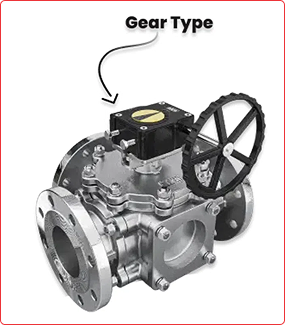
A 3-way ball valve is used to control, divert, or mix flow within a single valve body by directing media through three ports. Commonly configured as T-port or L-port designs, this valve type allows operators to change flow paths without installing multiple valves, reducing system complexity and footprint. 3-way ball valves are widely applied in industrial process systems where flexibility, isolation, or controlled mixing is required.

At OTOM Services, we supply industrial-grade 3-way ball valves for oil and gas, marine, petrochemical, and general process applications. Our range supports different port configurations, materials, pressure ratings, and actuation options.

Enquire Now

3-Way Ball Valves

3-way ball valves enable multiple flow-control functions with a single valve body. Depending on port configuration, they can divert flow between two outlets, mix two incoming streams, or isolate sections of a pipeline. This reduces installation space, piping complexity, and potential leak points compared to multiple two-way valves.

T-port designs allow simultaneous flow to more than one outlet or controlled mixing of streams, while L-port designs are typically used for flow diversion between two directions. Industrial-grade sealing, precision-machined balls, and robust body construction ensure consistent performance across repeated operating cycles.

3-way ball valves are available in a range of sizes, pressure classes, and materials to suit different process conditions. Selection should consider port configuration, pressure rating, temperature limits, media compatibility, and actuation requirements.

Common specification parameters include:

– T-port or L-port flow configuration

– Full-bore or reduced-bore design

– Body materials such as carbon steel or stainless steel

– Pressure class based on system design

– Manual, pneumatic, or electric actuation

– End connections, including flanged, threaded, or welded

OTOM supports specification matching to ensure the selected valve aligns with operating conditions and system intent.

Common Applications of 3-Way Ball Valves

Common Applications of 3-Way Ball Valves

3-way ball valves are used across a wide range of industrial systems where flow direction or mixing must be controlled accurately. Typical applications include:

  • Flow diversion in pipelines to redirect media between process lines
  • Mixing of two process streams in chemical or utility systems
  • Chemical dosing and injection skids
  • HVAC and chilled water systems requiring directional control
  • Water treatment and utility infrastructure
  • Industrial automation systems and packaged process skids

Depending on configuration, an industrial ball valve can function as a diverter, mixer, or isolating valve within complex piping layouts.

Why Choose OTOM Services for 3-Way Ball Valves

Why Choose OTOM Services for 3-Way Ball Valves

At OTOM, we source industrial-grade ball valves designed for reliability in demanding operating environments. Our range includes multiple 3-way ball valve configurations suitable for process, utility, and safety-related applications.

We provide technical support during valve selection to ensure correct specification based on pressure, temperature, media, and flow function. Our local supply capability allows us to respond efficiently to project timelines while supporting documentation, datasheets, and compliance requirements.

In addition to 3-way ball valves, we supply a full range of industrial ball valves, enabling consistency across system design and maintenance planning.

Frequently Asked Questions

The difference lies in the internal ball-port geometry and the resulting flow paths. A T-port 3-way ball valve has a T-shaped bore that allows flow between all three ports in specific valve positions, enabling mixing or flow splitting. Depending on the rotation, it can also isolate one port while maintaining flow between the other two. An L-port 3-way ball valve has an L-shaped bore that connects only two ports at any given time, making it suitable for diverting flow from one outlet to another rather than mixing.

Yes, but only when configured as a T-port design. A T-port 3-way ball valve allows two inlet streams to combine into a single outlet or enables controlled distribution of flow across multiple lines. Actual mixing effectiveness depends on flow velocity, media properties, and downstream piping, as the valve provides directional control rather than active mixing.

3-way ball valves can be used in high-pressure systems when the valve body, sealing design, and pressure class are correctly specified. Compared to 2-way valves, 3-way designs experience more complex internal stresses, so pressure rating, wall thickness, and seat design must be verified carefully, especially for hydrocarbon or critical process service.

3-way ball valves are commonly supplied in carbon steel for oil, gas, and general industrial applications, and in stainless steel for corrosive media or higher-temperature environments. Material selection should account for pressure, temperature, media compatibility, and external conditions such as offshore exposure or chemical processing requirements.

At OTOM, we support 3-way ball valve selection through engineering consultation, including port configuration assessment, pressure rating verification, and material suitability review. We also provide datasheets, material certificates, and compliance documentation to support project specifications, inspection, and commissioning requirements.

Contact Us for Enquiries & Valve Solutions

For datasheets, compliance documentation, or project-specific recommendations, reach out today. We support valve selection, specification matching, and application guidance across industrial systems.

Get In Touch

We make it quick and easy to get answers to your questions. Just use the form below to reach us.